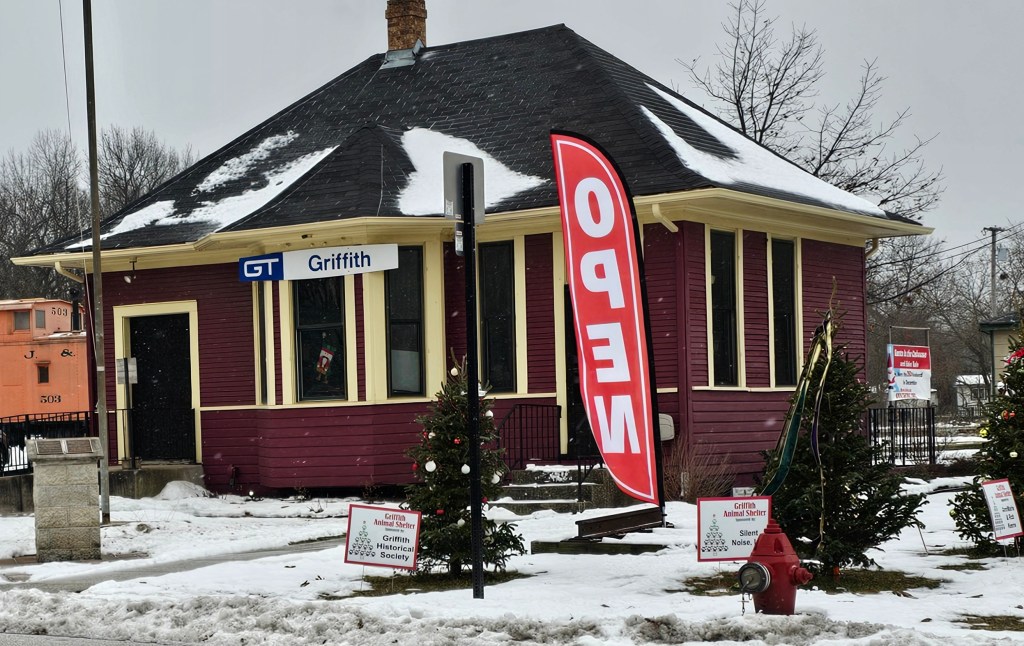
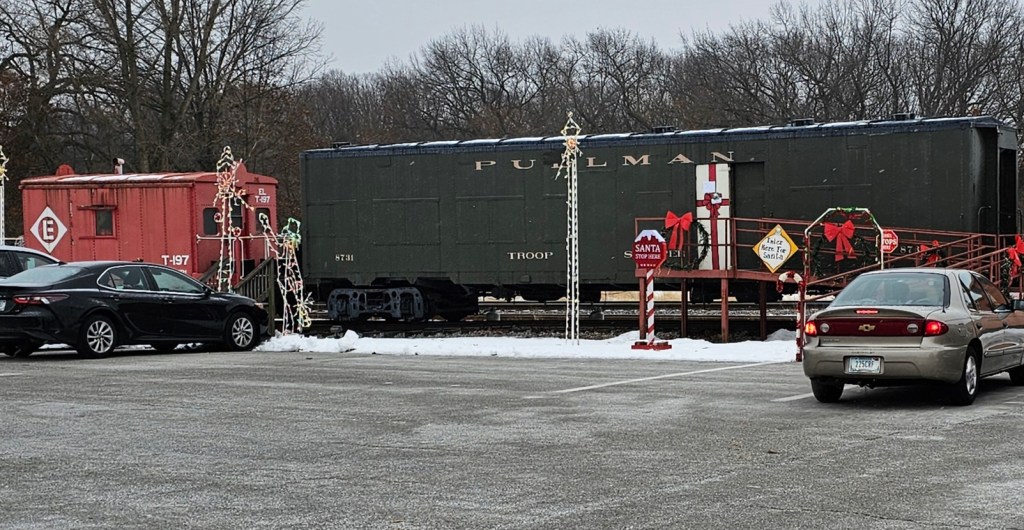
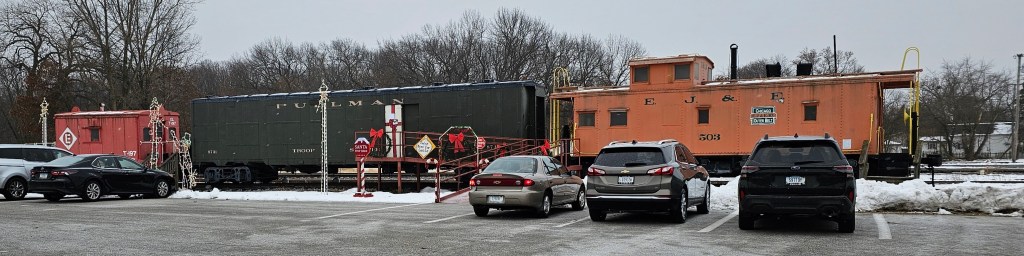
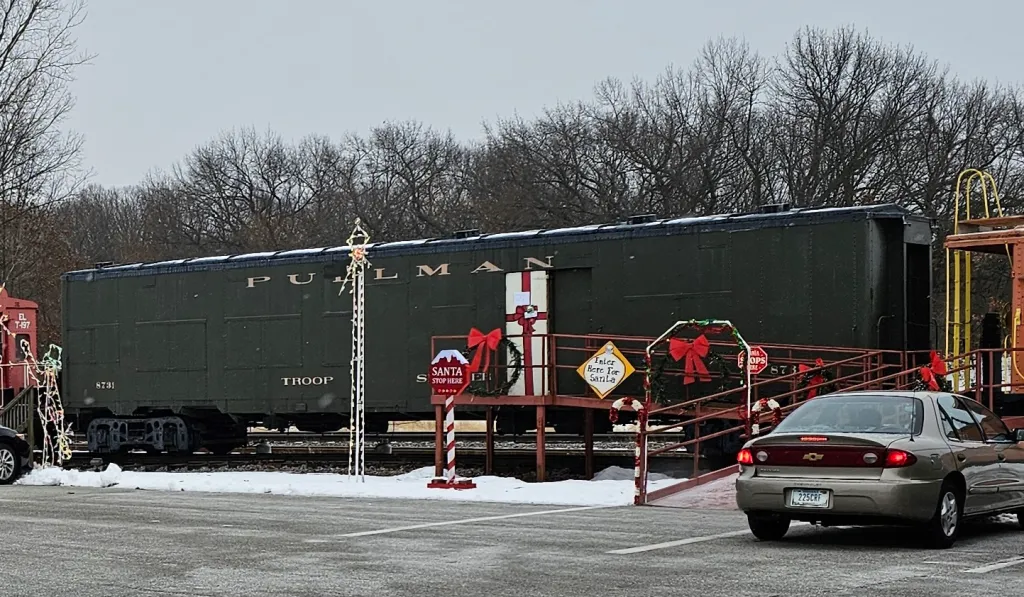
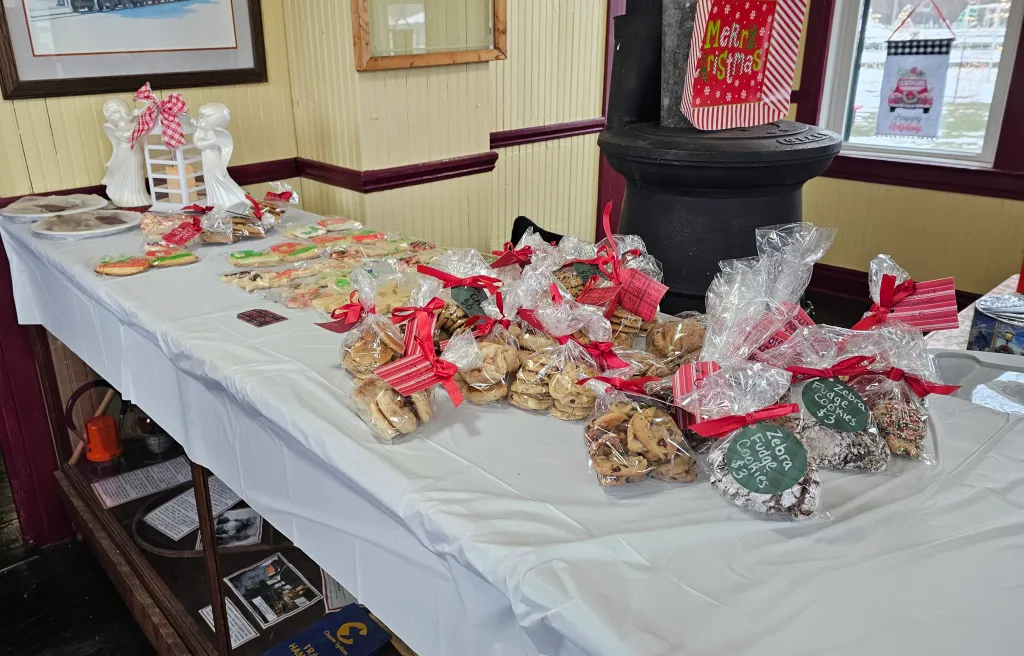
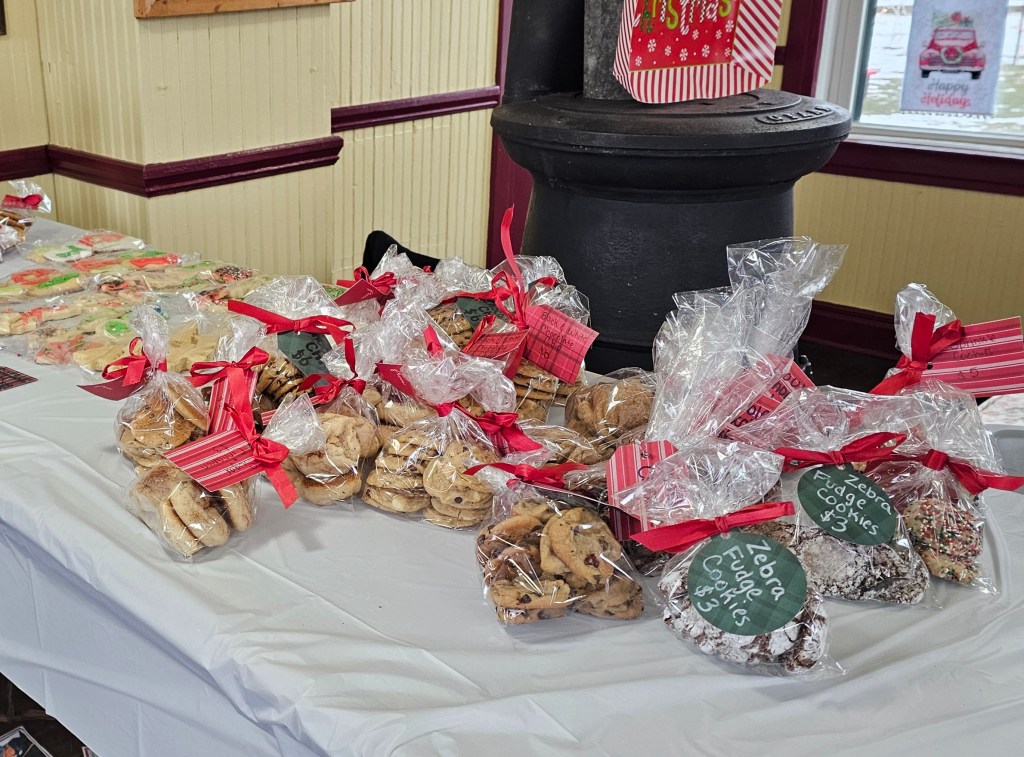
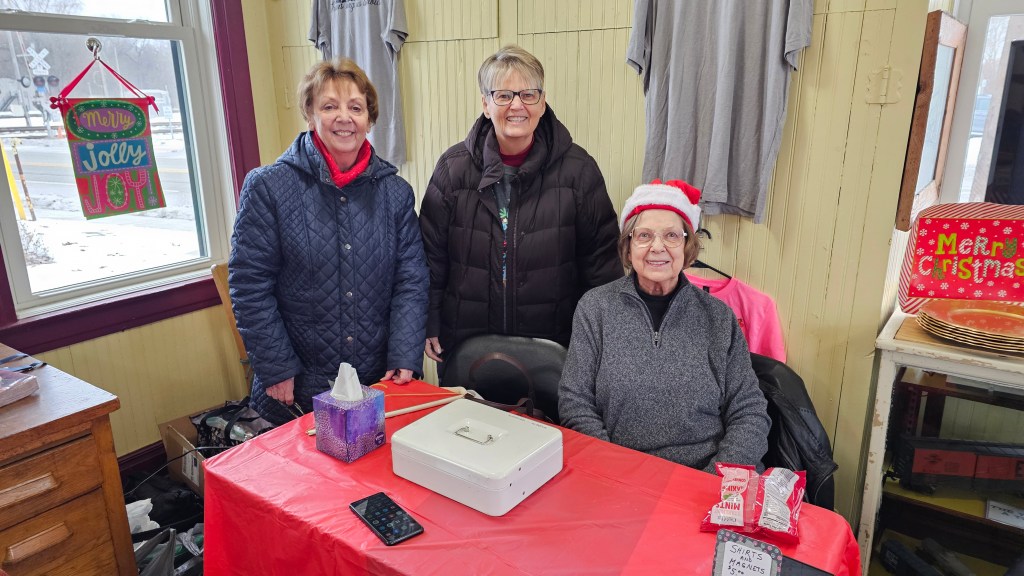
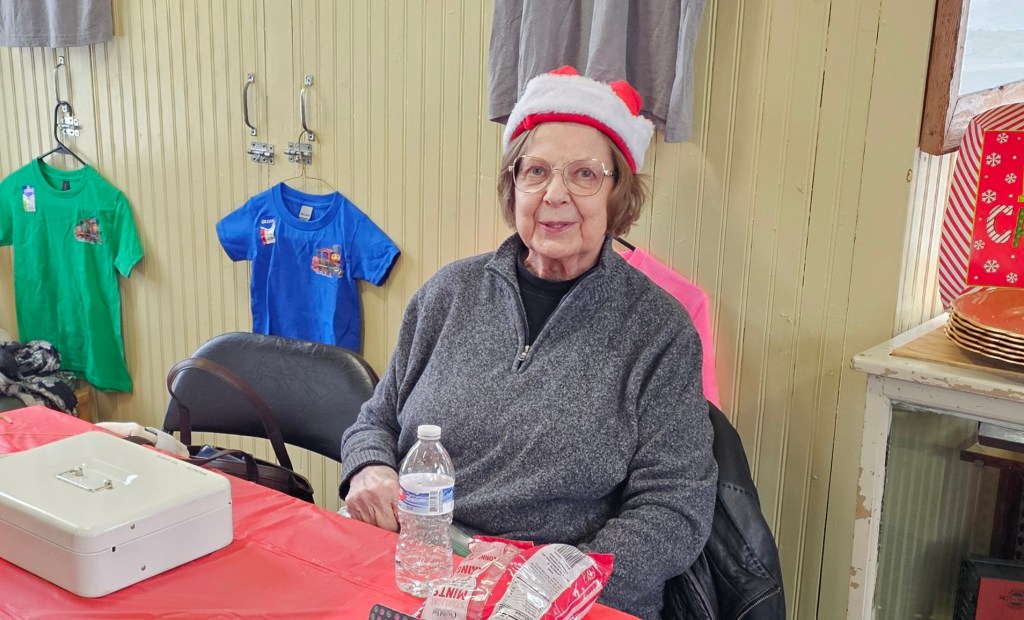
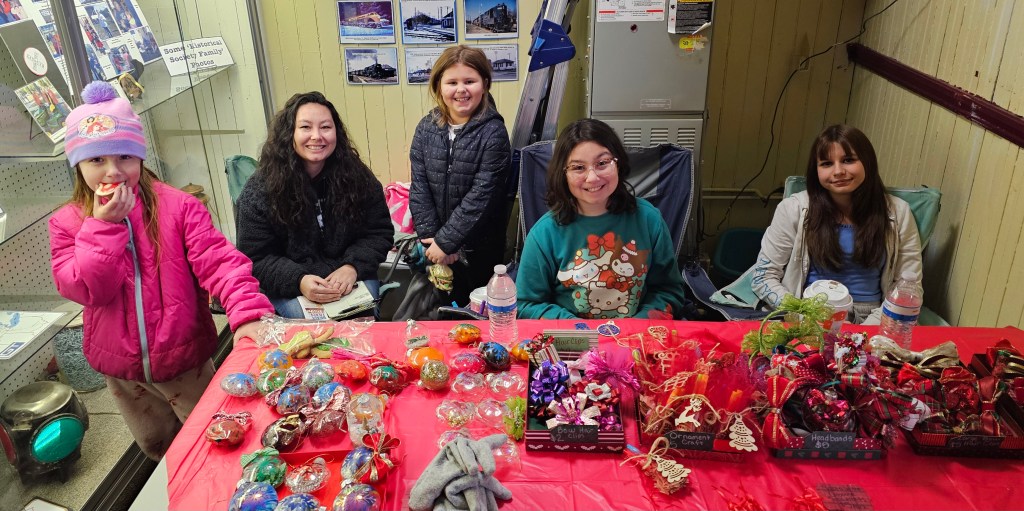
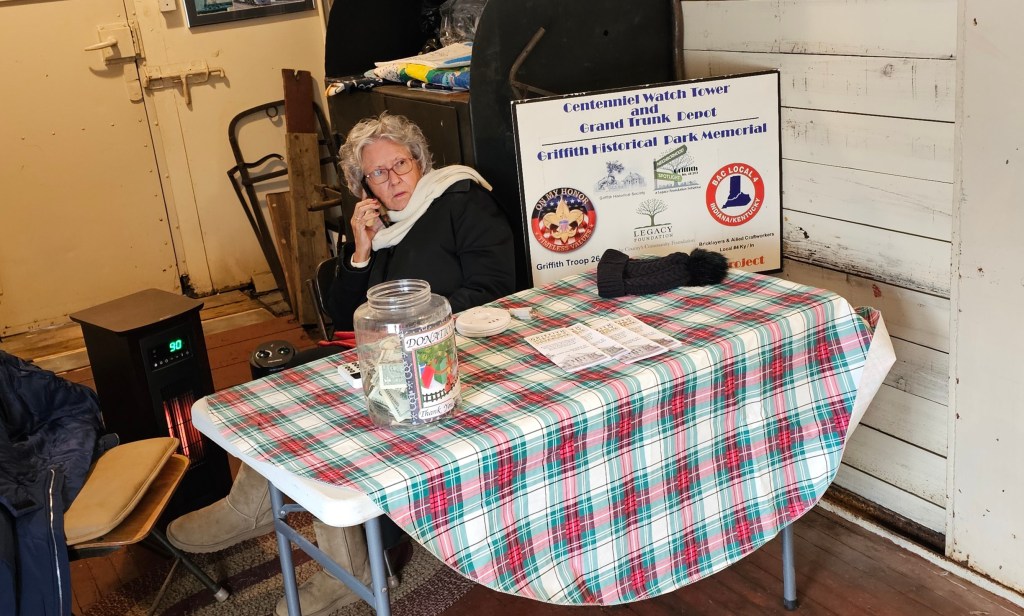
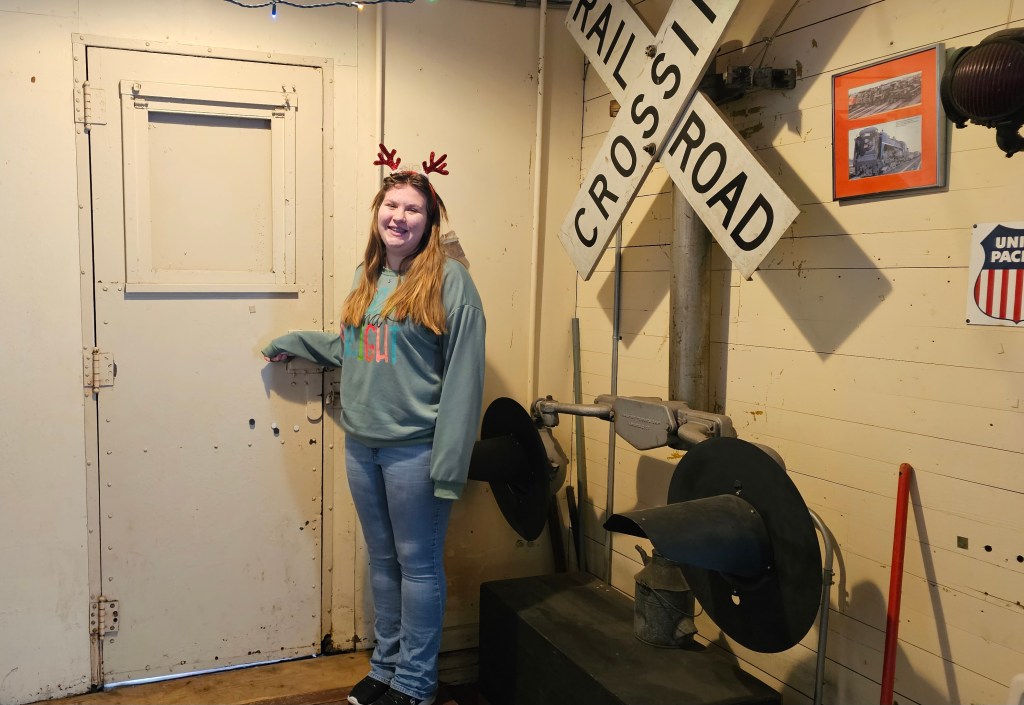
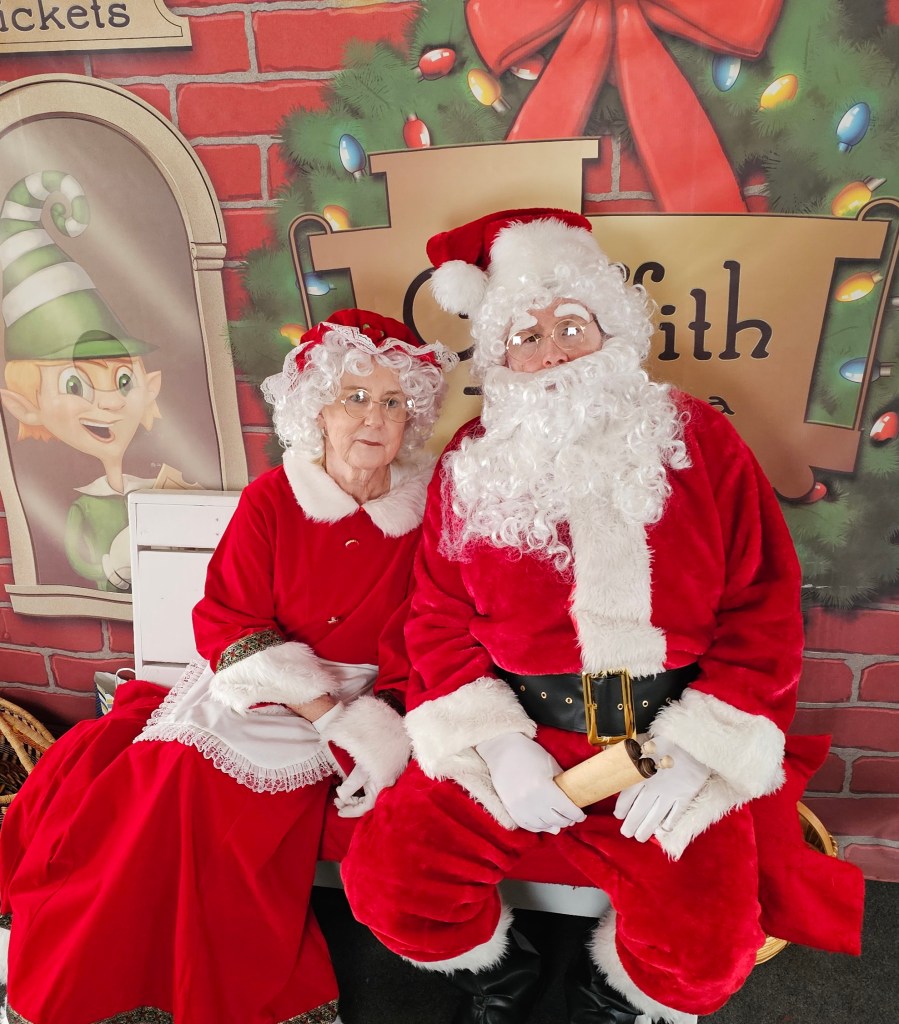
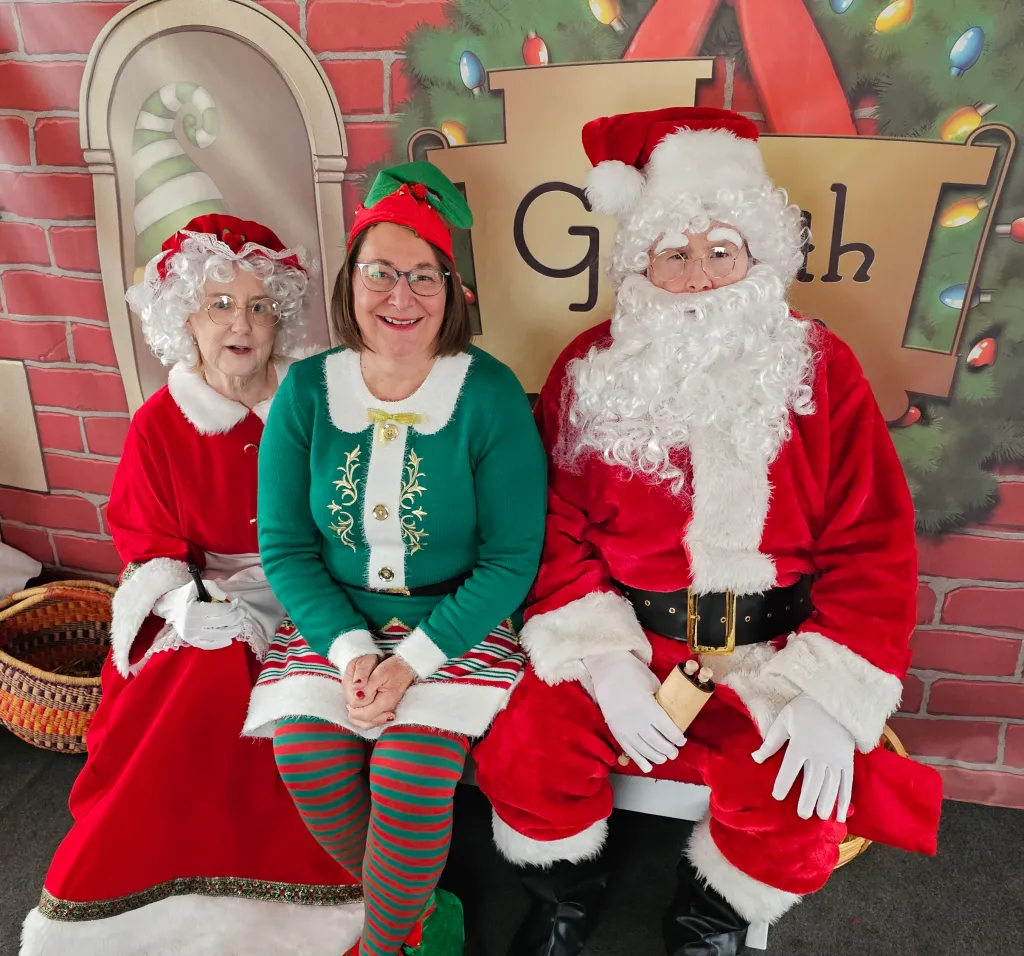
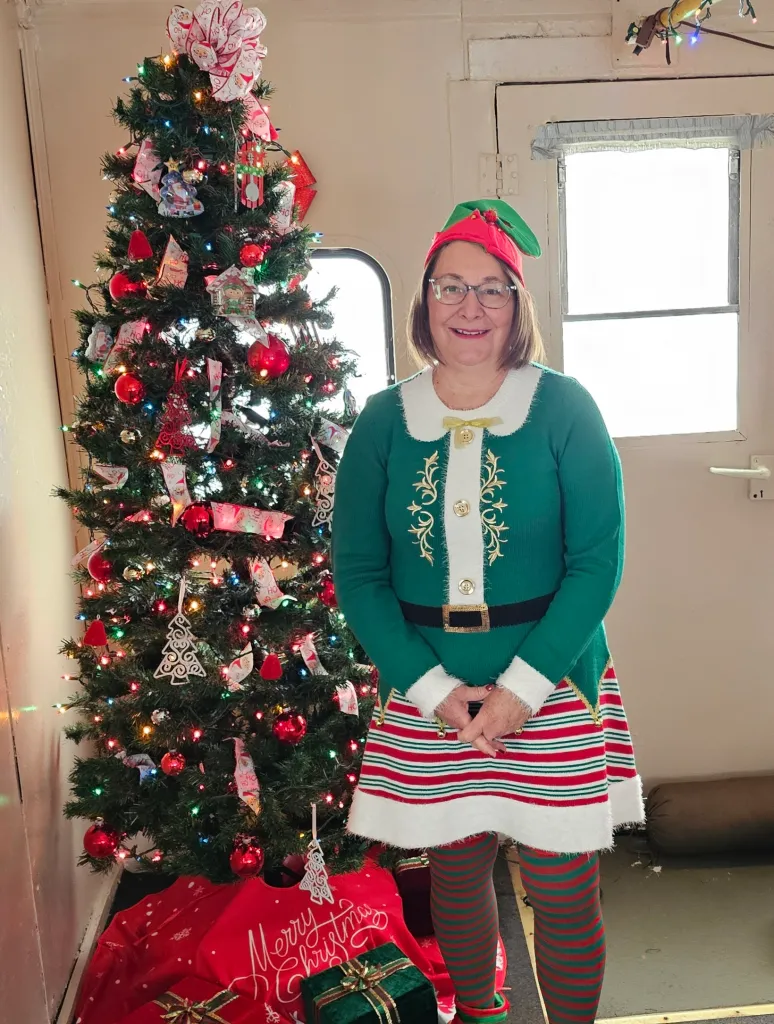
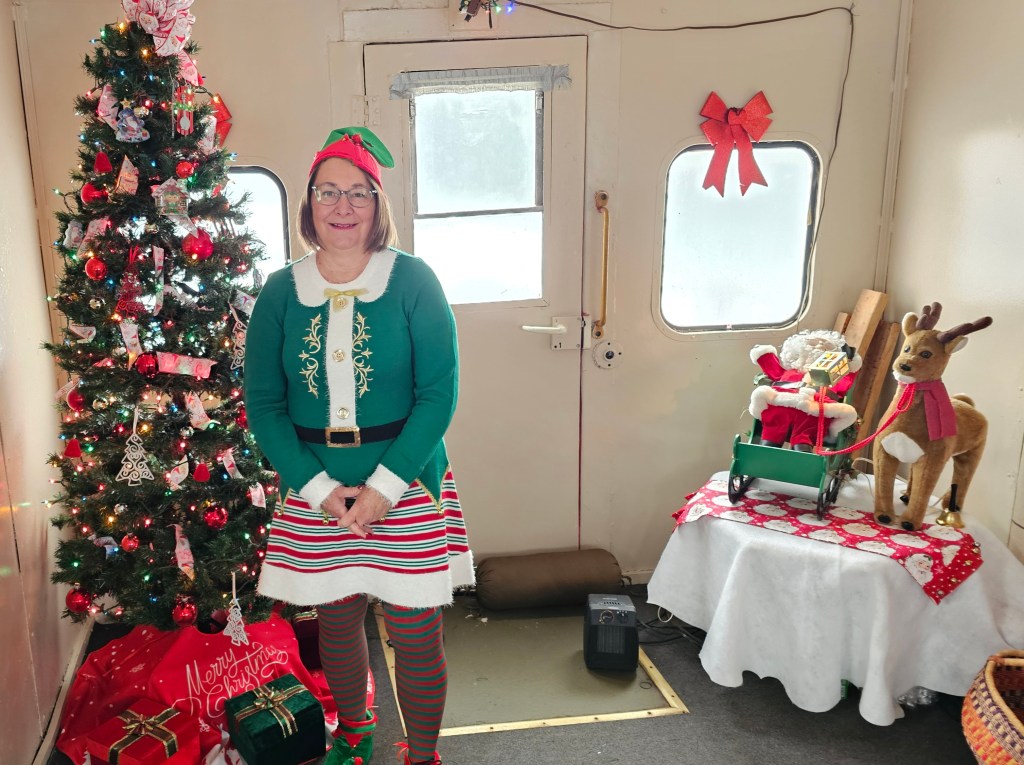
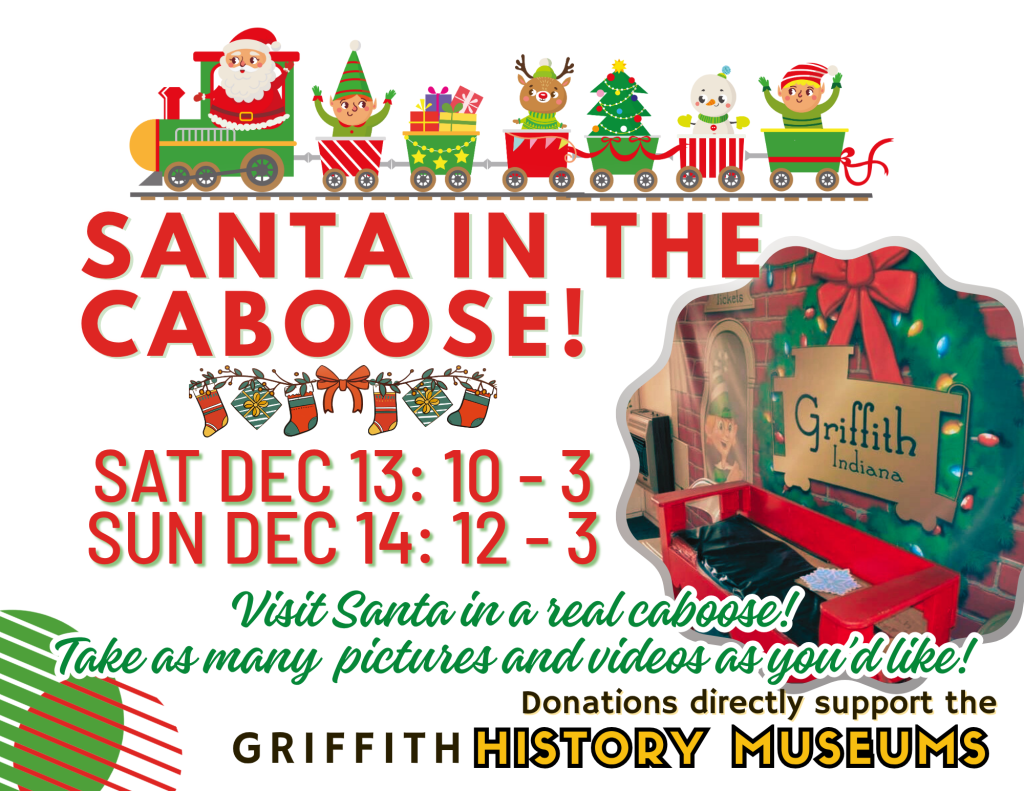
Mark your calendars for this year’s 🎅 𝐒𝐀𝐍𝐓𝐀 𝐈𝐍 𝐓𝐇𝐄 𝐂𝐀𝐁𝐎𝐎𝐒𝐄! 🚃 ➜ 𝑺𝒂𝒕𝒖𝒓𝒅𝒂𝒚, 𝑫𝒆𝒄𝒆𝒎𝒃𝒆𝒓 13: 10 𝒂.𝒎. 𝒕𝒐 3 𝒑.𝒎. ➜ 𝑺𝒖𝒏𝒅𝒂𝒚, 𝑫𝒆𝒄𝒆𝒎𝒃𝒆𝒓 14: 𝒏𝒐𝒐𝒏 𝒕𝒐 3 𝒑.𝒎. 💸 Give a donation to see Santa (our 28th annual!) and support the upkeep (and heating!) of the Historical Park! 📸 Take as many personal photos & videos as you’d like! 🍪 Be sure to shop our Holiday Bake Sale and holiday stocking stuffers as well! *𝘞𝘪𝘵𝘩 𝘸𝘪𝘯𝘵𝘦𝘳 𝘪𝘭𝘭𝘯𝘦𝘴𝘴𝘦𝘴 𝘪𝘯 𝘮𝘪𝘯𝘥, 𝘸𝘦 𝘢𝘳𝘦 𝘮𝘪𝘯𝘪𝘮𝘪𝘻𝘪𝘯𝘨 𝘵𝘩𝘦 𝘴𝘪𝘻𝘦 𝘰𝘧 𝘰𝘶𝘳 𝘤𝘳𝘦𝘸 𝘸𝘰𝘳𝘬𝘪𝘯𝘨 𝘪𝘯 𝘵𝘩𝘦 𝘴𝘮𝘢𝘭𝘭 𝘤𝘢𝘣𝘰𝘰𝘴𝘦. 𝘞𝘦 𝘸𝘰𝘯’𝘵 𝘣𝘦 𝘵𝘢𝘬𝘪𝘯𝘨 𝘰𝘳 𝘱𝘳𝘪𝘯𝘵𝘪𝘯𝘨 𝘱𝘩𝘰𝘵𝘰𝘴, 𝘴𝘰 𝘱𝘶𝘭𝘭 𝘰𝘶𝘵 𝘺𝘰𝘶𝘳 𝘰𝘸𝘯 𝘴𝘮𝘢𝘳𝘵𝘱𝘩𝘰𝘯𝘦 𝘰𝘳 𝘤𝘢𝘮𝘦𝘳𝘢 𝘢𝘯𝘥 𝘳𝘦𝘤𝘰𝘳𝘥 𝘵𝘩𝘦𝘴𝘦 𝘮𝘦𝘮𝘰𝘳𝘪𝘦𝘴!
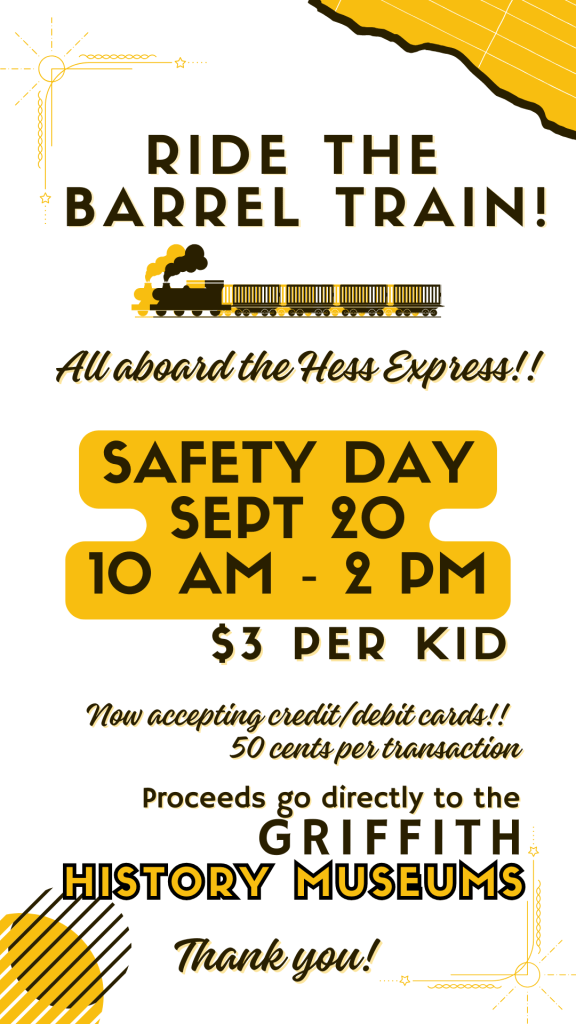
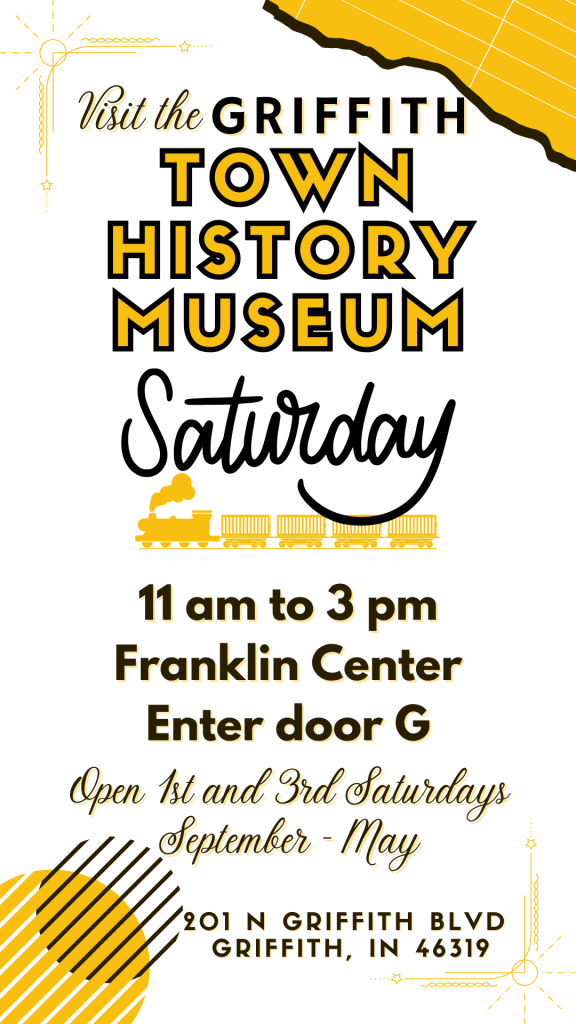
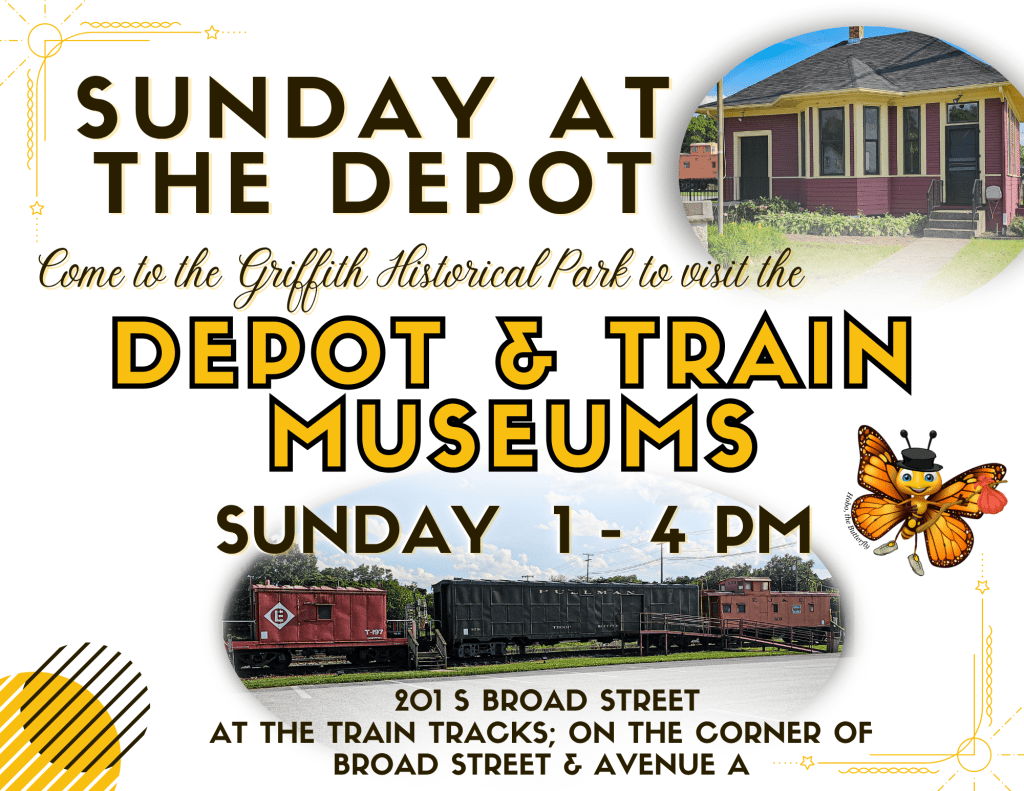
It’s a busy weekend for the Historical Society!! 🚂Friday – LAST Barrel Train at Central Market for the Season! 🚂Saturday – Barrel Train at Safety Day at Central Park! 🏛️Saturday – The TOWN HISTORY Museum at the Franklin Center will be open! 🛤️Sunday – Visit the Depot and Train Museums! Tour guides will be available. Parents of Beiriger 3rd Graders – come see what your kids learned this week!
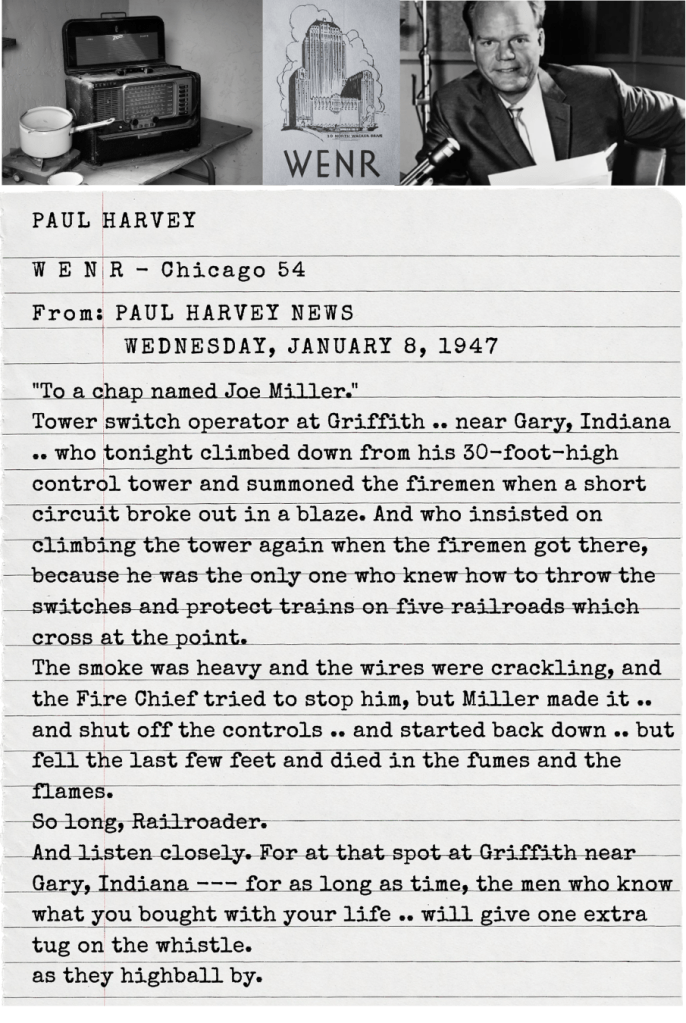
The man who said those words almost every night on the radio was a man named Paul Harvey. When he took notice of Joe Miller, he was the most-listened-to radio broadcaster in America, heard by 25 million people every day.
From his studios in Chicago, Illinois, Harvey would every day diligently sift through news reports available to newspapers and radio broadcasters. He was looking for compelling stories that might have been overlooked by other media outlets.
In early January, 1947, he found such a story, and it happened just 25 miles away in Griffith, Indiana.
Harvey’s programs were carried by 1,200 radio stations, plus an additional 400 stations of American Forces Radio. Famous well into the 1980’s, he had a popular syndicated newspaper column and a TV program.
Here’s the rest of Joe’s story, Paul Harvey’s tribute to Griffith’s own, Joe Miller, was broadcast on January 8, 1947.
You know you’re reeeeeally in need of cash when you take money from school kids. But that’s what we did 25 years ago, and we did it twice.
To be honest, we were honored to do it. Because, in both of the cases, the students wanted to give us money for the tower and they worked to do it.
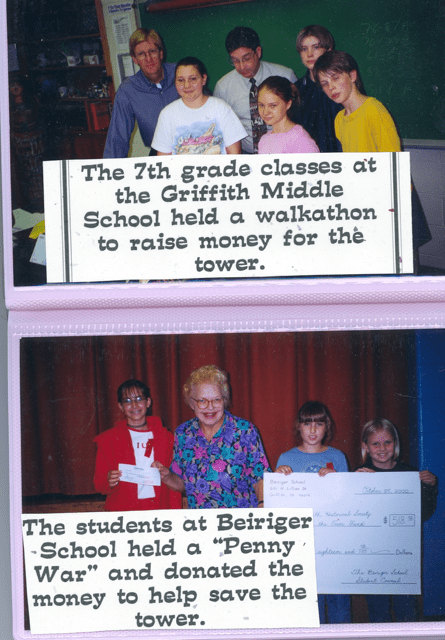
Seventh-graders, in the then Griffith Junior/Senior High School, held a walkathon from the school to our Historical Park and back, earning us more than $500. And the Beiriger Elementary School students held a Penny War for us.
Come to find out every year back then, the Beiriger Student Council voted on one project to support. In the year 2000, they chose our Griffith Tower.
“We felt saving the tower was important to the town,” said Student Council president Ashley Korak, when interviewed for a newspaper article. “With so few towers left, we want to preserve ours.”
Note: When Ashley said those words, there were 177 towers still in operation in North America. Twenty-five years later, there are fewer than 50.
The Penny War worked like this: Each grade was given a big jar into which students deposited pennies into their particular jars every day for a week. All the jars were kept in the school foyer, and at the end of the week, a total $518.72 from all the jars was given to the tower.
The 5th graders donated the most pennies, with the 6th grade coming in 2nd place, and the 3rd graders taking 3rd.
Griffith Historical Society President Delores Smessaert, in the photo here, thanks all the students. “So much work needs to be done in this 76-year-old building,” she went on, “and your donation will go a long way in helping us install a new heating system.”
The tale of the Tower, and indeed a great deal of Griffith Historical Society’s history, reads like a storybook, hence the title.
Do you know what 𝙨𝙚𝙧𝙚𝙣𝙙𝙞𝙥𝙞𝙩𝙮 is? Beyond an amazing Griffith ice cream parlor? I use the world a lot when talking about how we developed and grew.
Serendipity in the dictionary is described as: 𝗮 𝗰𝗵𝗮𝗻𝗰𝗲 𝗼𝗰𝗰𝘂𝗿𝗿𝗲𝗻𝗰𝗲 𝘁𝗵𝗮𝘁 𝗱𝗲𝘃𝗲𝗹𝗼𝗽𝘀 𝗶𝗻 𝗮 𝗵𝗮𝗽𝗽𝘆 𝗼𝗿 𝗯𝗲𝗻𝗲𝗳𝗶𝗰𝗶𝗮𝗹 𝘄𝗮𝘆.
Serendipity in real life:
The chance meeting of four people who went on to spearhead the saving of the last Griffith’s depot from demolition. (See our first “Society Saga” in our spring newsletter or on our website for that story.)
The time the land we hoped to expand on, that was $20,000 when we first asked to purchase it, dropping to $8,000 when we absolutely, positively, 100% had to purchase it.
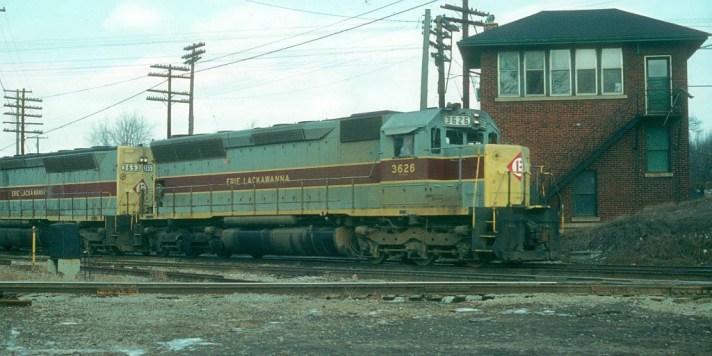
And we must mention how I was serendipitously connected to the General Superintendent of the Elgin Joliet & Eastern railroad when I called asking for key chains and paper engineer hat to give away to kids.
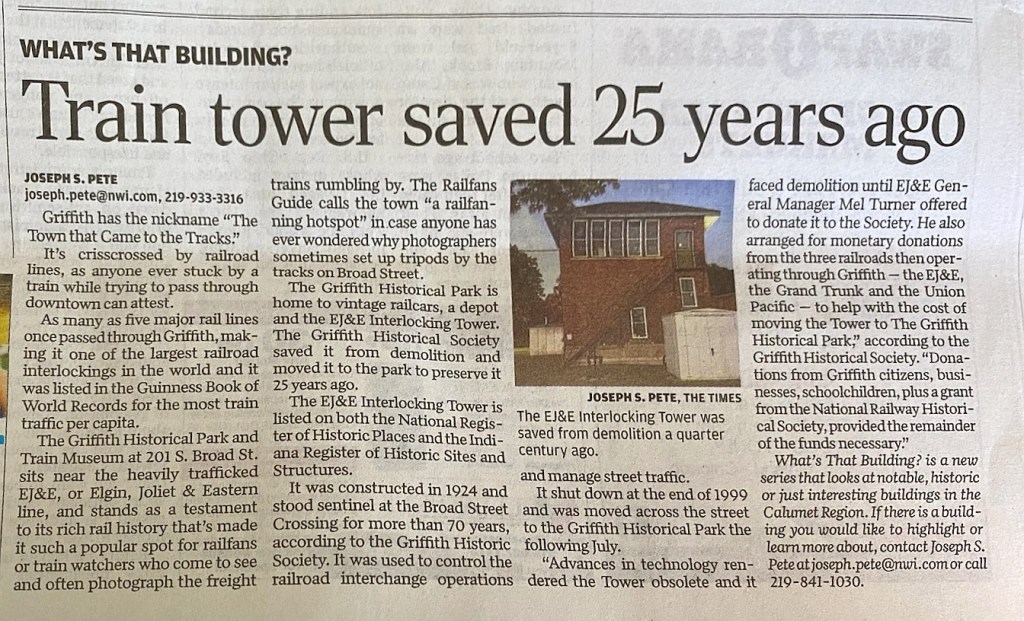
That man, Mel Turner, ended up giving us the Tower some five years later.
You know how you immediately click with someone? That was me and Mr T (though I never called him that to his face).
We talked for nearly an hour: about our getting the land and our future plans for it; about his railroad’s plans for tearing down our Tower, and could we have the equipment in the upper room, which was a yes.
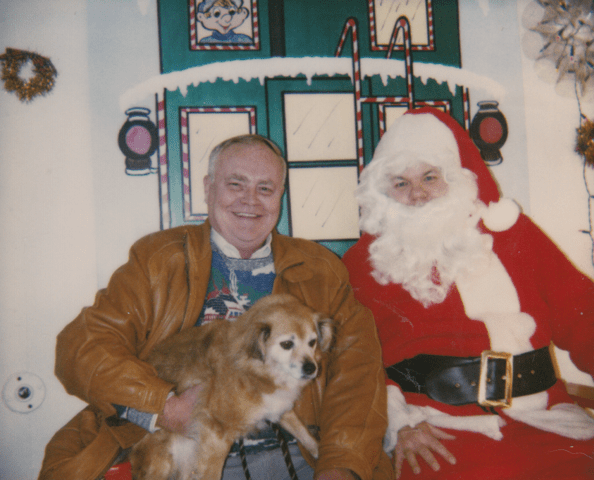
From time to time, I would write him, filling him in on everything we were doing, and asking about the Tower. I found those old letters recently, and it was as though I was writing to a friend. I can only help wondering what he thought of my rambles. In mid-December, 1999, Mr. Turner came out to the Park during our Santa event, with his beloved dog, Buddy. Our Tower, he told us, was being closed down at the end of the year. And, he said, he was giving us the Tower!
The whole building!! And $30,000, to help with the move!!!
And we had until July 30th to get the Tower off their land.
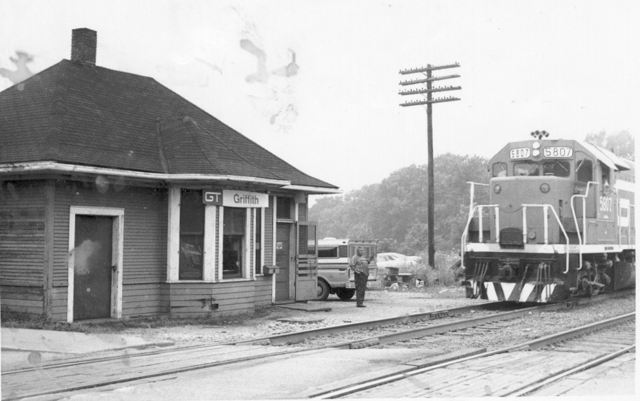
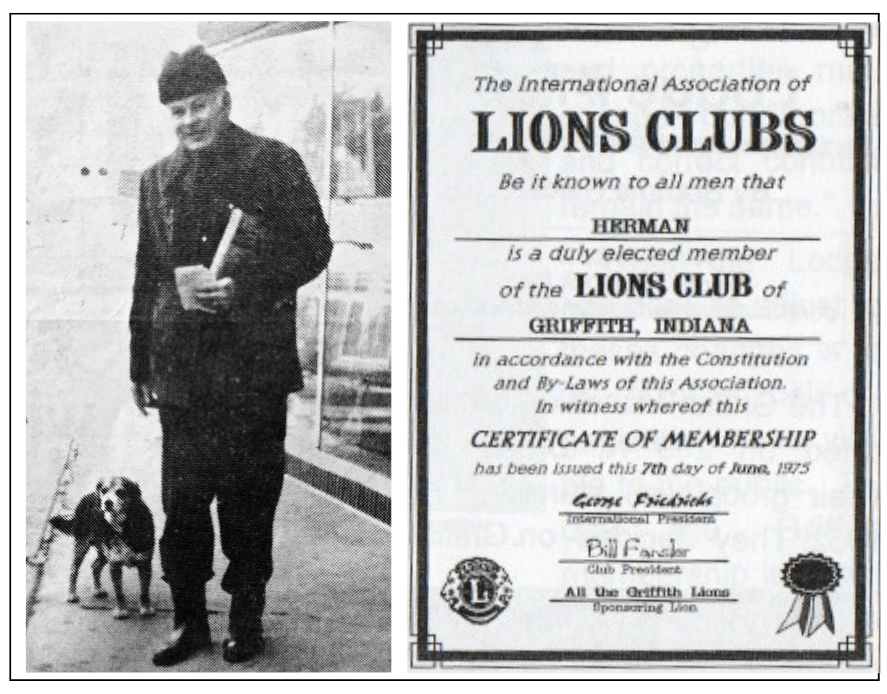
In this space, we’re going to share with your the story of how the Griffith Historical Society came to be. But first, we’ll share the meaning of the word ‘saga.’ It’s an old word that historical society people like to throw around. It just means ‘a long story. Since we’ve been around for going on 42 years, you know the word fits. Now, onto the story of us. Take one town elder, Ray Anderson, walking his dog, Herman. Add in three young women – Kathy Anderson (no relation,) Marthann Hanrath, and Donna Gonzalez – walking for exercise. You see, Ray mentioned to the ladies that the last railroad depot in town was scheduled for demolition. “They’re demolishing our heritage,” Ray told the ladies. Later that day, Ray told his son, Howard, the same tale. Then Howard contacted Marthann and said, “Let’s save our heritage.” Now sagas, because they are long, are often made up of a whole lot of smaller stories. And what happened next, and beyond, with Ray and Howard and the ladies, we will tell you in upcoming newsletters and posts. But first we want you to meet Herman the Dog. Herman never left Ray’s side. Like when he was walking and encountered the ladies. Even when Ray attended Griffith Lions Club meetings. Because of his devotion to his master, Herman was made an honorary Lion. He is the first canine to be so honored. Herman’s certificate of membership is shown here.
🦋𝗪𝗮𝗻𝘁 𝘁𝗼 𝗮𝘁𝘁𝗿𝗮𝗰𝘁 𝗯𝘂𝘁𝘁𝗲𝗿𝗳𝗹𝗶𝗲𝘀 𝘁𝗼 𝘆𝗼𝘂𝗿 𝗴𝗮𝗿𝗱𝗲𝗻? 🌻𝗬𝗼𝘂 𝗻𝗲𝗲𝗱 𝘁𝗵𝗲 𝗿𝗶𝗴𝗵𝘁 𝗽𝗹𝗮𝗻𝘁𝘀!! 👋Join us on Sunday to get your butterfly-friendly plants, and learn more about these amazing creatures! 🚂Griffith Depot & Train Museums – Corner of Broad St & Ave A, next to the tracks! 🙏Thanks Scheeringa Farms & Greenhouses for helping us choose plants butterflies love!
Join us to celebrate National Start Seeing Monarchs Day! Visit Griffith’s very own butterfly garden, aptly named the Griffith Junction Butterfly Stop. It’s the first anniversary of the garden, conceived and planted by Griffith Tri Kappa member Jeanette Bobos, and supported by the organization. May 4th is one day after National Start Seeing Monarchs Day, when America celebrates those beautiful, endangered orange and yellow creatures.
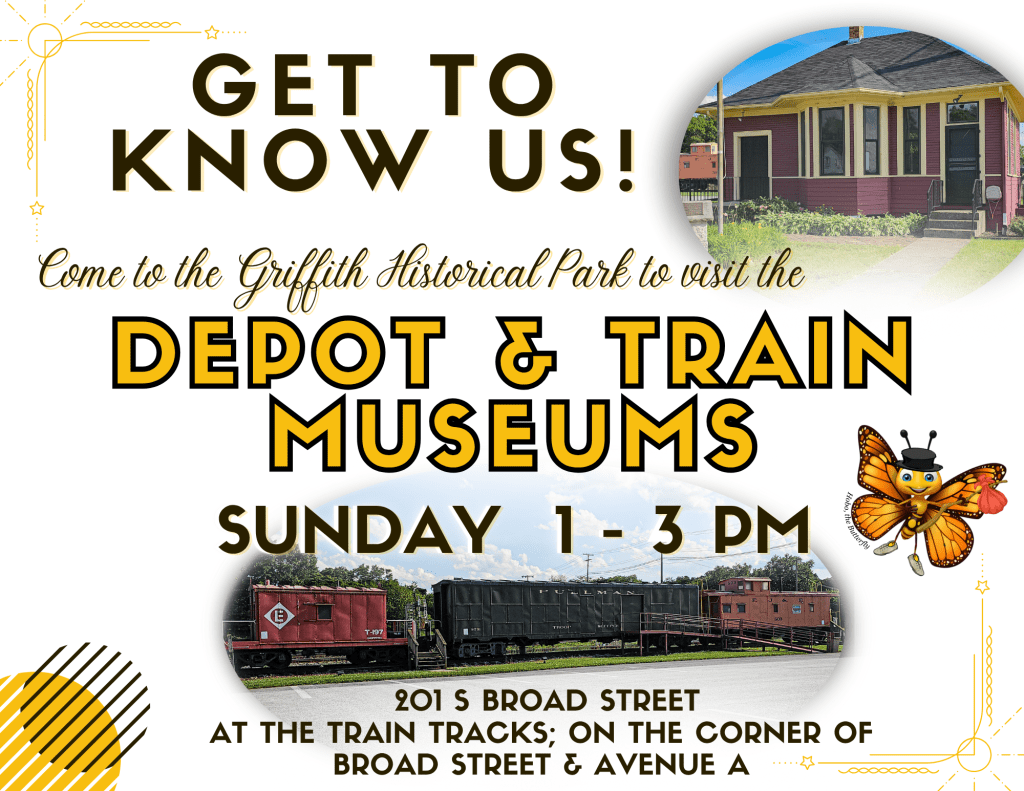
It will be a fun and interesting Sunday afternoon at the Griffith Historical Park, where: The Depot & Train Museums, and the Tower will be open to tour Our barrel train, the Hess Express, will be running Jeanette Bobos, the retired Master Gardner who planted our garden, will be on on hand to share her knowledge. We’ll have info on Monarchs and how they’ve become endangered. Kim Moor, from The Wild Ones, will be with us sharing information about adding native plants to your garden. Want plants to help butterflies, especially Monarchs? Through the courtesy of Scheeringa Farms, we’ll have a small selection of milkweed plants; black-eyed Susans, Griffith Centennial’s flower in 2004; plus some Heirloom Plants, as well. Girl Scout Troop 15620 will be selling cookies, lemonade, and butterfly clips. The Cub Scout Pack 622 and Boy Scout Troop 623 will be on hand with hotdogs, chips and pop.