Our Society Saga … #1

In this space, weโ€™re going to share with your the story of how the Griffith Historical Society came to be.
But first, weโ€™ll share the meaning of the word โ€˜saga.โ€™ Itโ€™s an old word that historical society people like to throw around. It just means โ€˜a long story.
Since weโ€™ve been around for going on 42 years, you know the word fits. Now, onto the story of us.
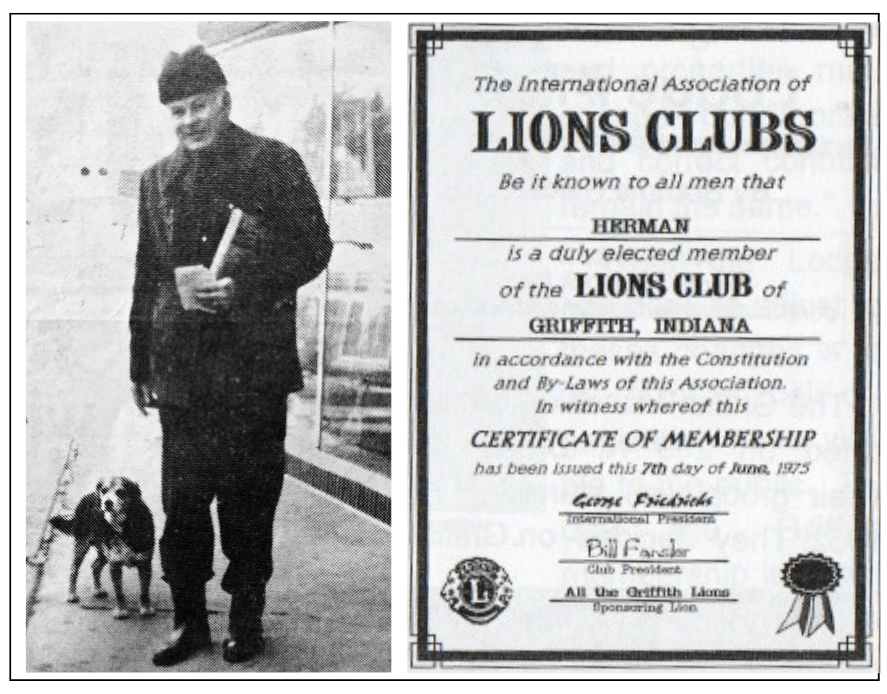
Take one town elder, Ray Anderson, walking his dog, Herman. Add in three young women – Kathy Anderson (no relation,) Marthann Hanrath, and Donna Gonzalez –ย  walking for exercise.
You see, Ray mentioned to the ladies that the last railroad depot in town was scheduled for demolition. โ€œTheyโ€™re demolishing our heritage,โ€ Ray told the ladies.
Later that day, Ray told his son, Howard, the same tale. Then Howard contacted Marthann and said, โ€œLetโ€™s save our heritage.โ€
Now sagas, because they are long, are often made up of a whole lot of smaller stories. And what happened next, and beyond, with Ray and Howard and the ladies, we will tell you in upcoming newsletters and posts.
But first we want you to meet Herman the Dog. Herman never left Rayโ€™s side. Like when he was walking and encountered the ladies. Even when Ray attended Griffith Lions Club meetings. Because of his devotion to his master, Herman was made an honorary Lion.
He is the first canine to be so honored. Hermanโ€™s certificate of membership is shown here.
A Tale of the Town

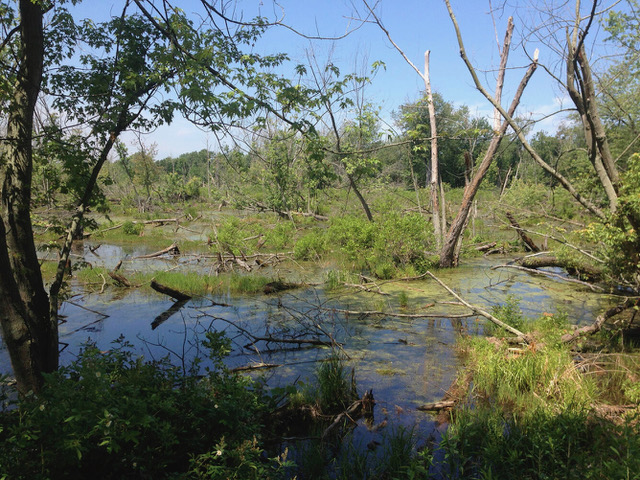
Join us as we go back in time to tell the stories of Griffith, from before our town was even though of and onward. Weโ€™ll begin in the early 1800โ€™s, when the area we live now was completely waterlogged and the beaver was the most prominent citizen around.

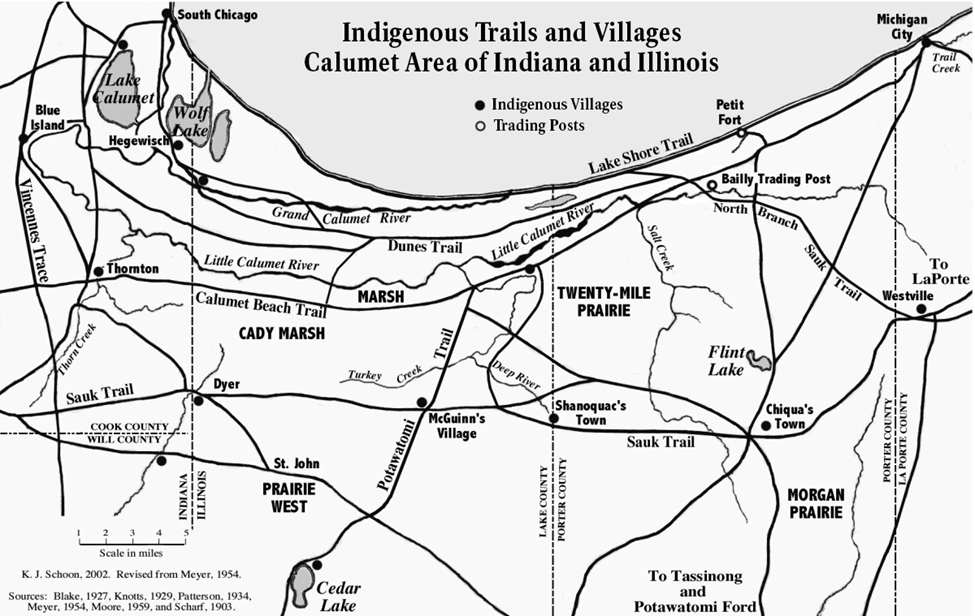
Our town is located on low ground, between two high strips of land โ€” now called Ridge Road and Route 30. For the longest time, these lowlands in the middle were mostly a huge wetlands, fed by the Grand Calumet and Little Calumet river systems.

It was known as Cady Marsh, after a man named Jack Cady who ran an inn along the high ground that would become Ridge Road.

The area was also considered uninhabitable, and was not part of Indiana when it became a state in 1816. Yet, all that water was good for growing all kinds of plants and trees. So, it wasnโ€™t surprising that a lot of beavers made their home there, too.

One group of people knew that the marshland was habitable when the water dried up in the summer heat โ€” Native Americans from the Potawatomi nation who lived in small villages southeast of here.

In that dryness of late summer and early fall, they camped here as their people had done for generations. Gathering edible plants, and grasses to weave baskets used for storage and to hold foods.

Hunting beaver was a prime activity during those waning days of summer. Potawatomi tribesmen then took those beaver furs to sell at Baillyโ€™s Trading Post, some 20 miles away. They got in return, European-made goods like guns, metal tools, cloth and beads.

Speaking of Europe, thatโ€™s where these Indiana beaver furs were sent, to make top hats for rich European gentlemen.
Bet you didnโ€™t know our area was once part of the massive North American Fur Trade!

By the mid-1800โ€™s, most of Indianaโ€™s Native American tribes had been moved out of โ€” the Land of the Indians โ€” by use of treaties. The Potawatomi Tribe was the last to go.

Time was coming to an end for the Cady Marsh, too. But that is another story.

25th Anniversary of the Tower

๐—๐˜‚๐—น๐˜† ๐˜๐—ต๐—ถ๐˜€ ๐˜†๐—ฒ๐—ฎ๐—ฟ ๐—บ๐—ฎ๐—ฟ๐—ธ๐˜€ ๐Ÿฎ๐Ÿฑ ๐˜†๐—ฒ๐—ฎ๐—ฟ๐˜€ ๐˜€๐—ถ๐—ป๐—ฐ๐—ฒ ๐˜„๐—ฒ ๐˜€๐—ฎ๐˜ƒ๐—ฒ๐—ฑ ๐˜๐—ต๐—ฒ ๐—˜๐—&๐—˜ ๐—œ๐—ป๐˜๐—ฒ๐—ฟ๐—น๐—ผ๐—ฐ๐—ธ๐—ถ๐—ป๐—ด ๐—ง๐—ผ๐˜„๐—ฒ๐—ฟ ๐—ณ๐—ฟ๐—ผ๐—บ ๐—ฑ๐—ฒ๐—บ๐—ผ๐—น๐—ถ๐˜๐—ถ๐—ผ๐—ป ๐—ฎ๐—ป๐—ฑ ๐—บ๐—ผ๐˜ƒ๐—ฒ๐—ฑ ๐—ถ๐˜ ๐˜๐—ผ ๐—ถ๐˜๐˜€ ๐—ฐ๐˜‚๐—ฟ๐—ฟ๐—ฒ๐—ป๐˜ ๐—น๐—ผ๐—ฐ๐—ฎ๐˜๐—ถ๐—ผ๐—ป.

The building is now on the National Register of Historic Places and the Indiana Register of Historic Sites and Structures.

We made this video in 2003 as an entry for a prize from the show “The View” but it’s a great summary of what we’re about and why we do what we do!

More about the Tower: https://ghsinc.org/the-tower/

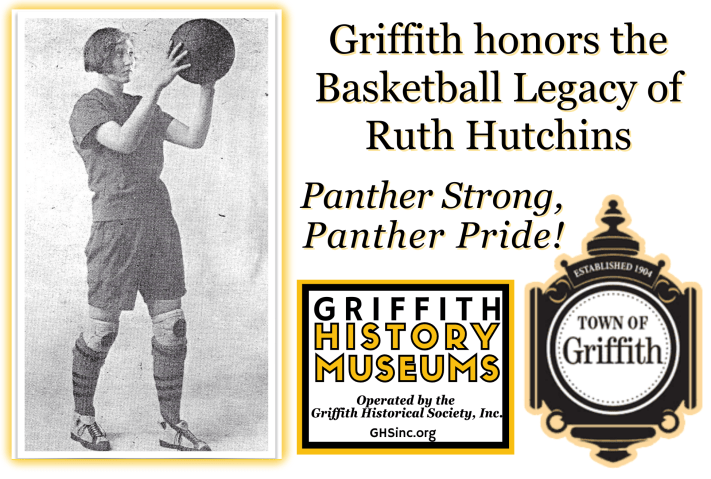
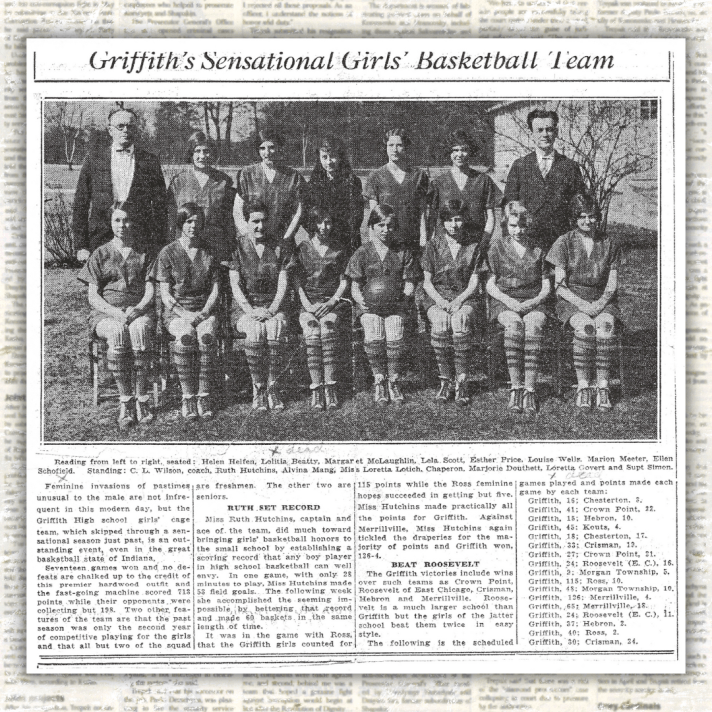
Ruth Hutchins Inducted into Indiana Basketball Hall of Fame

๐Ÿ† ๐—˜๐˜…๐—ฐ๐—ถ๐˜๐—ถ๐—ป๐—ด ๐—ก๐—ฒ๐˜„๐˜€!
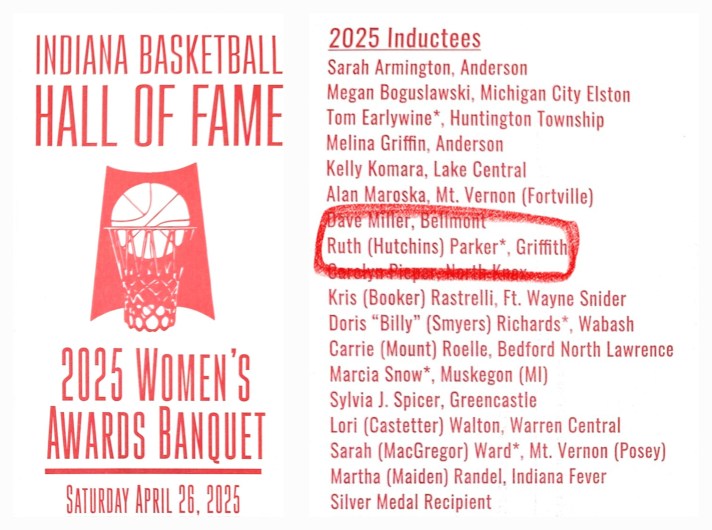
๐Ÿ€ Today, our very own ๐Ÿญ๐Ÿต๐Ÿฎ๐Ÿด ๐—•๐—ฎ๐˜€๐—ธ๐—ฒ๐˜๐—ฏ๐—ฎ๐—น๐—น ๐—ฆ๐˜๐—ฎ๐—ฟ, ๐—ฅ๐˜‚๐˜๐—ต ๐—›๐˜‚๐˜๐—ฐ๐—ต๐—ถ๐—ป๐˜€, is being inducted into the ๐—œ๐—ป๐—ฑ๐—ถ๐—ฎ๐—ป๐—ฎ ๐—•๐—ฎ๐˜€๐—ธ๐—ฒ๐˜๐—ฏ๐—ฎ๐—น๐—น ๐—›๐—ฎ๐—น๐—น ๐—ผ๐—ณ ๐—™๐—ฎ๐—บ๐—ฒ!

From the Indiana Basketball Hall of Fame 23rd Women’s Induction Class Program:

๐—ฅ๐—จ๐—ง๐—› (๐—›๐—จ๐—ง๐—–๐—›๐—œ๐—ก๐—ฆ) ๐—ฃ๐—”๐—ฅ๐—ž๐—˜๐—ฅ, ๐—š๐—ฟ๐—ถ๐—ณ๐—ณ๐—ถ๐˜๐—ต ๐Ÿญ๐Ÿต๐Ÿฎ๐Ÿด
The late Ruth (Hutchins) Parker, a 1928 graduate of Griffith, was a prolific scorer in her era, setting a record of 120 points in an 126-4 victory over Merrilville on Feb. 4, 1928. That was after she scored 106 points on a 53-of-64 shooting in a 115-10 win over Ross on Jan. 28, 1928. As a senior, the Purple Pantherettes of coach C.L. Wilson went 17-0 and outscored opponents by an average of 30.2 points, 41.9 to 11.7. These numbers were amassed when six-player rules were used for girls’ basketball – three forwards and three guards on each side of center line, no crossing the center line, two-dribbles maximum and a player had three seconds to pass or shoot the ball. After high school, Hutchins played basketball in an independent league, once scored 159 points in a game and later worked in the railroad industry. She married Ralph Parker, and they were parents to three children. The one-time scoring star passed away at 46 on March 29, 1956.

Early Boys Basketball Team

๐Ÿ–ค๐Ÿซ๐Ÿ’› ๐—š๐—ฅ๐—œ๐—™๐—™๐—œ๐—ง๐—› ๐—›๐—œ๐—š๐—› ๐—ง๐—จ๐—ฅ๐—ก๐—ฆ ๐Ÿญ๐Ÿฌ๐Ÿฌ! ๐Ÿ’›๐Ÿซ๐Ÿ–ค
๐˜ˆ๐˜ฏ๐˜ฅ ๐˜ธ๐˜ฆโ€™๐˜ณ๐˜ฆ ๐˜ด๐˜ฉ๐˜ข๐˜ณ๐˜ช๐˜ฏ๐˜จ ๐˜ฃ๐˜ช๐˜ต๐˜ด ๐˜ง๐˜ณ๐˜ฐ๐˜ฎ ๐˜Ž๐˜ณ๐˜ช๐˜ง๐˜ง๐˜ช๐˜ต๐˜ฉ ๐˜๐˜ช๐˜จ๐˜ฉ ๐˜š๐˜ค๐˜ฉ๐˜ฐ๐˜ฐ๐˜ญโ€™๐˜ด ๐˜๐˜ช๐˜ด๐˜ต๐˜ฐ๐˜ณ๐˜บ!

๐Ÿ€ How much has basketball changed since this photo was taken?!
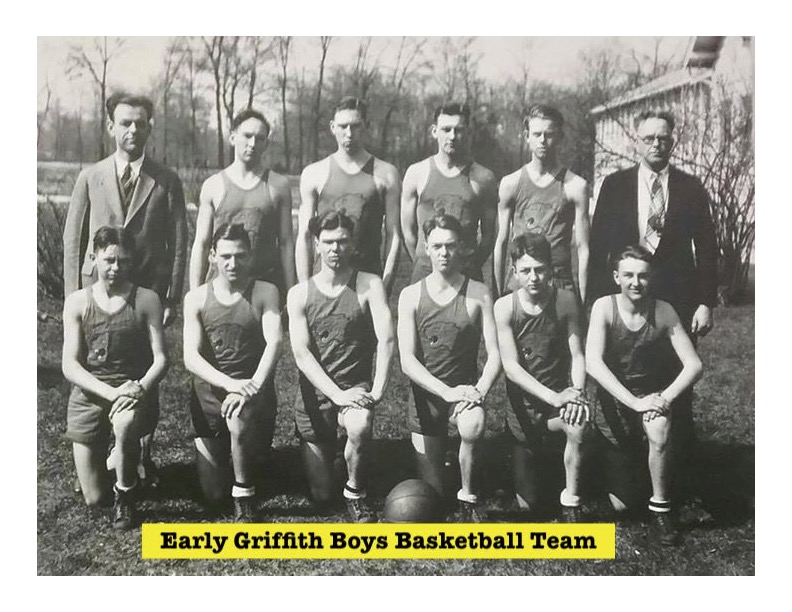
๐Ÿ€ Is there anyone here you recognize?

Griffith High Wrestling in 1964

๐Ÿ–ค๐Ÿซ๐Ÿ’› ๐—š๐—ฅ๐—œ๐—™๐—™๐—œ๐—ง๐—› ๐—›๐—œ๐—š๐—› ๐—ง๐—จ๐—ฅ๐—ก๐—ฆ ๐Ÿญ๐Ÿฌ๐Ÿฌ! ๐Ÿ’›๐Ÿซ๐Ÿ–ค
๐˜ˆ๐˜ฏ๐˜ฅ ๐˜ธ๐˜ฆโ€™๐˜ณ๐˜ฆ ๐˜ด๐˜ฉ๐˜ข๐˜ณ๐˜ช๐˜ฏ๐˜จ ๐˜ฃ๐˜ช๐˜ต๐˜ด ๐˜ง๐˜ณ๐˜ฐ๐˜ฎ ๐˜Ž๐˜ณ๐˜ช๐˜ง๐˜ง๐˜ช๐˜ต๐˜ฉ ๐˜๐˜ช๐˜จ๐˜ฉ ๐˜š๐˜ค๐˜ฉ๐˜ฐ๐˜ฐ๐˜ญโ€™๐˜ด ๐˜๐˜ช๐˜ด๐˜ต๐˜ฐ๐˜ณ๐˜บ!

Griffith Varsity Wrestling – 60 years ago!
Do you recognize anyone in this picture?

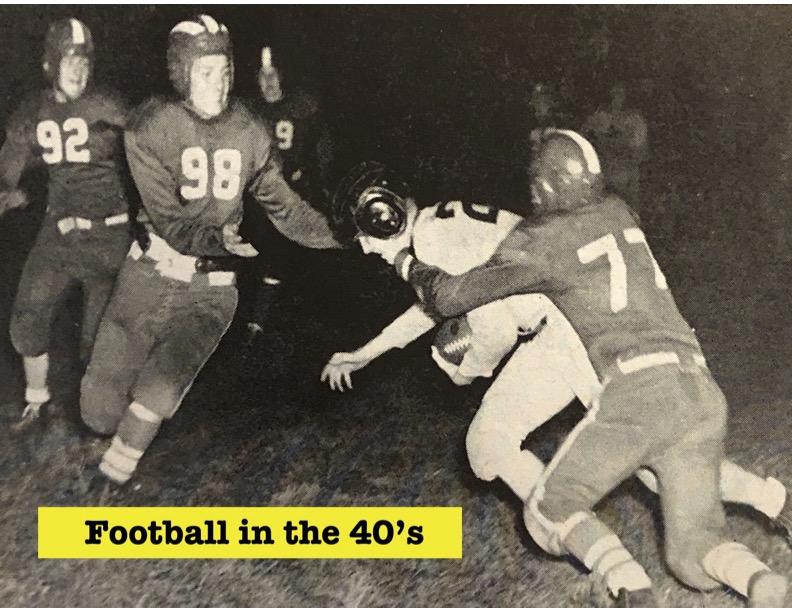
๐†๐ซ๐ข๐Ÿ๐Ÿ๐ข๐ญ๐ก ๐…๐จ๐จ๐ญ๐›๐š๐ฅ๐ฅ ๐ข๐ง ๐ญ๐ก๐ž ๐Ÿ’๐ŸŽ๐ฌ

๐Ÿ–ค๐Ÿซ๐Ÿ’› ๐—š๐—ฅ๐—œ๐—™๐—™๐—œ๐—ง๐—› ๐—›๐—œ๐—š๐—› ๐—ง๐—จ๐—ฅ๐—ก๐—ฆ ๐Ÿญ๐Ÿฌ๐Ÿฌ! ๐Ÿ’›๐Ÿซ๐Ÿ–ค
๐˜ˆ๐˜ฏ๐˜ฅ ๐˜ธ๐˜ฆโ€™๐˜ณ๐˜ฆ ๐˜ด๐˜ฉ๐˜ข๐˜ณ๐˜ช๐˜ฏ๐˜จ ๐˜ฃ๐˜ช๐˜ต๐˜ด ๐˜ง๐˜ณ๐˜ฐ๐˜ฎ ๐˜Ž๐˜ณ๐˜ช๐˜ง๐˜ง๐˜ช๐˜ต๐˜ฉ ๐˜๐˜ช๐˜จ๐˜ฉ ๐˜š๐˜ค๐˜ฉ๐˜ฐ๐˜ฐ๐˜ญโ€™๐˜ด ๐˜๐˜ช๐˜ด๐˜ต๐˜ฐ๐˜ณ๐˜บ!

โžœ ๐†๐ซ๐ข๐Ÿ๐Ÿ๐ข๐ญ๐ก ๐…๐จ๐จ๐ญ๐›๐š๐ฅ๐ฅ ๐ข๐ง ๐ญ๐ก๐ž ๐Ÿ’๐ŸŽ๐ฌ
Not only were the uniforms different, but the rules were different, too.
Check out these articles about how football has changed over the years.

โžœhttps://www.sportsattic.com/araig/NflRulesHistory.htm
โžœhttps://www.dawgsbynature.com/2021/6/8/22460859/odd-original-football-rules-that-are-no-longer-used
โžœhttps://www.sportsbusinessjournal.com/Journal/Issues/2019/09/02/NFL-100/Evolution.aspx

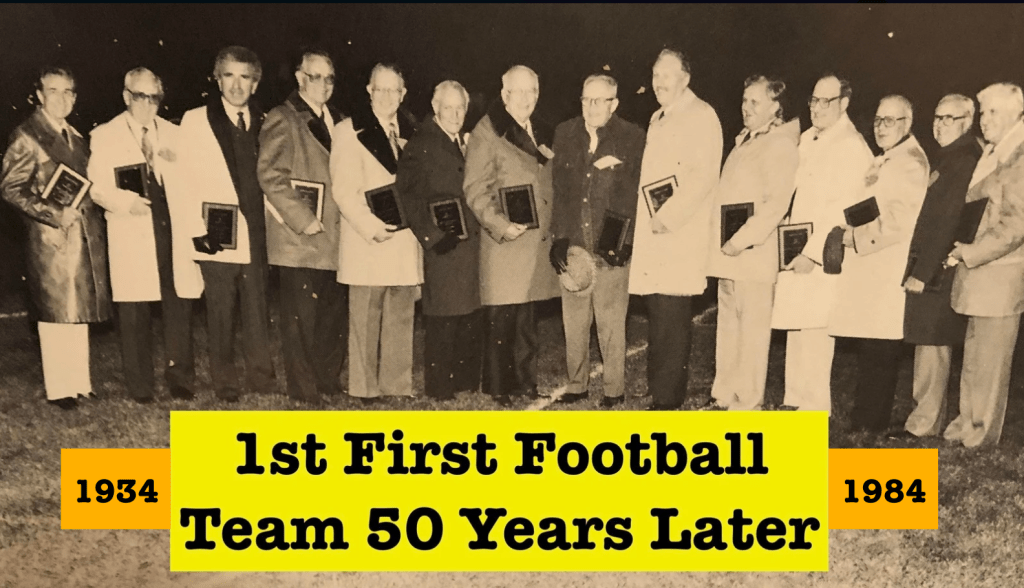
Griffith’s 1st Football Team – 50 years later

๐Ÿ–ค๐Ÿซ๐Ÿ’› ๐—š๐—ฅ๐—œ๐—™๐—™๐—œ๐—ง๐—› ๐—›๐—œ๐—š๐—› ๐—ง๐—จ๐—ฅ๐—ก๐—ฆ ๐Ÿญ๐Ÿฌ๐Ÿฌ! ๐Ÿ’›๐Ÿซ๐Ÿ–ค
๐˜ˆ๐˜ฏ๐˜ฅ ๐˜ธ๐˜ฆโ€™๐˜ณ๐˜ฆ ๐˜ด๐˜ฉ๐˜ข๐˜ณ๐˜ช๐˜ฏ๐˜จ ๐˜ฃ๐˜ช๐˜ต๐˜ด ๐˜ง๐˜ณ๐˜ฐ๐˜ฎ ๐˜Ž๐˜ณ๐˜ช๐˜ง๐˜ง๐˜ช๐˜ต๐˜ฉ ๐˜๐˜ช๐˜จ๐˜ฉ ๐˜š๐˜ค๐˜ฉ๐˜ฐ๐˜ฐ๐˜ญโ€™๐˜ด ๐˜๐˜ช๐˜ด๐˜ต๐˜ฐ๐˜ณ๐˜บ!

Griffith’s 1st Football Team – 50 years later
1934 -1984
Do you recognize anyone in this picture?

(And to think that it’s been another 40 years since then!)

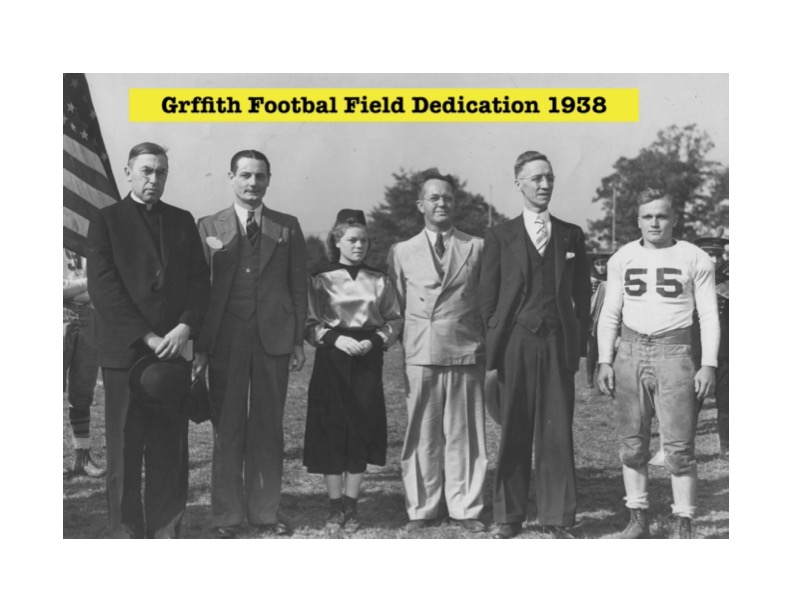
Griffith’s Football Field Dedication in 1938

๐Ÿ–ค๐Ÿซ๐Ÿ’› ๐—š๐—ฅ๐—œ๐—™๐—™๐—œ๐—ง๐—› ๐—›๐—œ๐—š๐—› ๐—ง๐—จ๐—ฅ๐—ก๐—ฆ ๐Ÿญ๐Ÿฌ๐Ÿฌ! ๐Ÿ’›๐Ÿซ๐Ÿ–ค
๐˜ˆ๐˜ฏ๐˜ฅ ๐˜ธ๐˜ฆโ€™๐˜ณ๐˜ฆ ๐˜ด๐˜ฉ๐˜ข๐˜ณ๐˜ช๐˜ฏ๐˜จ ๐˜ฃ๐˜ช๐˜ต๐˜ด ๐˜ง๐˜ณ๐˜ฐ๐˜ฎ ๐˜Ž๐˜ณ๐˜ช๐˜ง๐˜ง๐˜ช๐˜ต๐˜ฉ ๐˜๐˜ช๐˜จ๐˜ฉ ๐˜š๐˜ค๐˜ฉ๐˜ฐ๐˜ฐ๐˜ญโ€™๐˜ด ๐˜๐˜ช๐˜ด๐˜ต๐˜ฐ๐˜ณ๐˜บ!

Griffith’s Football Field Dedication in 1938
How much do you think the field has changed over the years?

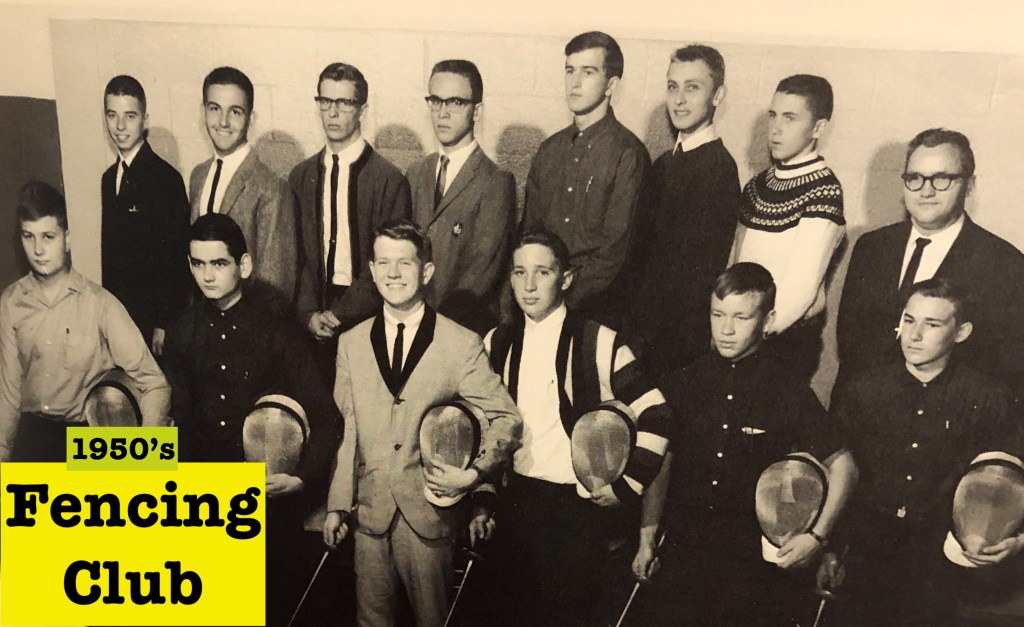
En garde! 1950’s Fencing Club

๐Ÿ–ค๐Ÿซ๐Ÿ’› ๐—š๐—ฅ๐—œ๐—™๐—™๐—œ๐—ง๐—› ๐—›๐—œ๐—š๐—› ๐—ง๐—จ๐—ฅ๐—ก๐—ฆ ๐Ÿญ๐Ÿฌ๐Ÿฌ! ๐Ÿ’›๐Ÿซ๐Ÿ–ค
๐˜ˆ๐˜ฏ๐˜ฅ ๐˜ธ๐˜ฆโ€™๐˜ณ๐˜ฆ ๐˜ด๐˜ฉ๐˜ข๐˜ณ๐˜ช๐˜ฏ๐˜จ ๐˜ฃ๐˜ช๐˜ต๐˜ด ๐˜ง๐˜ณ๐˜ฐ๐˜ฎ ๐˜Ž๐˜ณ๐˜ช๐˜ง๐˜ง๐˜ช๐˜ต๐˜ฉ ๐˜๐˜ช๐˜จ๐˜ฉ ๐˜š๐˜ค๐˜ฉ๐˜ฐ๐˜ฐ๐˜ญโ€™๐˜ด ๐˜๐˜ช๐˜ด๐˜ต๐˜ฐ๐˜ณ๐˜บ!

En garde! Check out this 1950’s Fencing Club group photo ๐Ÿคบ

Do you know anyone in this photo? Or when Griffith High’s Fencing Club faded away?
โš”If you are in this photo, how are your parries and attacks holding up?

๐ŸคบTouchรฉ!