𝐎𝐧𝐜𝐞 𝐔𝐩𝐨𝐧 𝐚 𝐓𝐨𝐰𝐞𝐫 – 𝐏𝐚𝐫𝐭 𝟏

𝙊𝙪𝙧 𝙎𝙤𝙘𝙞𝙚𝙩𝙮 𝙎𝙖𝙜𝙖 – 𝙎𝙖𝙫𝙞𝙣𝙜 𝙩𝙝𝙚 𝙏𝙤𝙬𝙚𝙧
𝘣𝘺 𝘒𝘢𝘳𝘦𝘯 𝘒𝘶𝘭𝘪𝘯𝘴𝘬𝘪
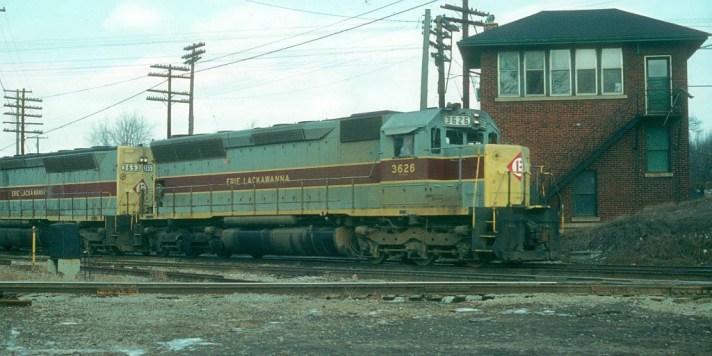
The tale of the Tower, and indeed a great deal of Griffith Historical Society’s history, reads like a storybook, hence the title.

Do you know what 𝙨𝙚𝙧𝙚𝙣𝙙𝙞𝙥𝙞𝙩𝙮 is? Beyond an amazing Griffith ice cream parlor? I use the world a lot when talking about how we developed and grew.

Serendipity in the dictionary is described as: 𝗮 𝗰𝗵𝗮𝗻𝗰𝗲 𝗼𝗰𝗰𝘂𝗿𝗿𝗲𝗻𝗰𝗲 𝘁𝗵𝗮𝘁 𝗱𝗲𝘃𝗲𝗹𝗼𝗽𝘀 𝗶𝗻 𝗮 𝗵𝗮𝗽𝗽𝘆 𝗼𝗿 𝗯𝗲𝗻𝗲𝗳𝗶𝗰𝗶𝗮𝗹 𝘄𝗮𝘆.

Serendipity in real life:

  • The chance meeting of four people who went on to spearhead the saving of the last Griffith’s depot from demolition. (See our first “Society Saga” in our spring newsletter or on our website for that story.)
  • The time the land we hoped to expand on, that was $20,000 when we first asked to purchase it, dropping to $8,000 when we absolutely, positively, 100% had to purchase it.
  • And we must mention how I was serendipitously connected to the General Superintendent of the Elgin Joliet & Eastern railroad when I called asking for key chains and paper engineer hat to give away to kids.

That man, Mel Turner, ended up giving us the Tower some five years later.

You know how you immediately click with someone? That was me and Mr T (though I never called him that to his face).

We talked for nearly an hour: about our getting the land and our future plans for it; about his railroad’s plans for tearing down our Tower, and could we have the equipment in the upper room, which was a yes.

From time to time, I would write him, filling him in on everything we were doing, and asking about the Tower. I found those old letters recently, and it was as though I was writing to a friend. I can only help wondering what he thought of my rambles.
In mid-December, 1999, Mr. Turner came out to the Park during our Santa event, with his beloved dog, Buddy. Our Tower, he told us, was being closed down at the end of the year. And, he said, he was giving us the Tower!

The whole building!! And $30,000, to help with the move!!!

And we had until July 30th to get the Tower off their land.

Tale to be continued…
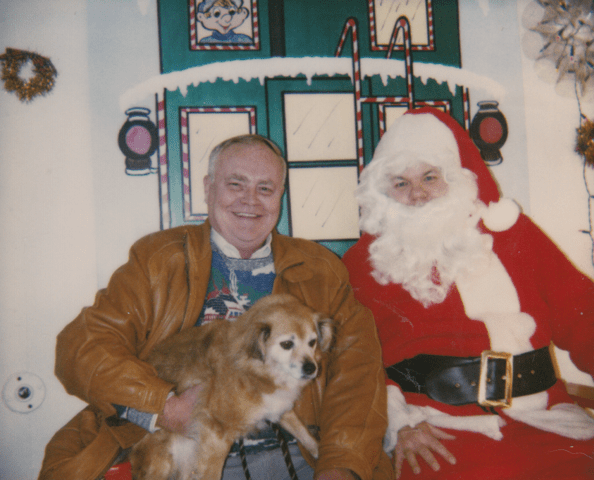
Mr. Turner and Santa in the Caboose
Mr. Turner and Santa in the Caboose
A Tale of the Town

Join us as we go back in time to tell the stories of Griffith, from before our town was even though of and onward. We’ll begin in the early 1800’s, when the area we live now was completely waterlogged and the beaver was the most prominent citizen around.

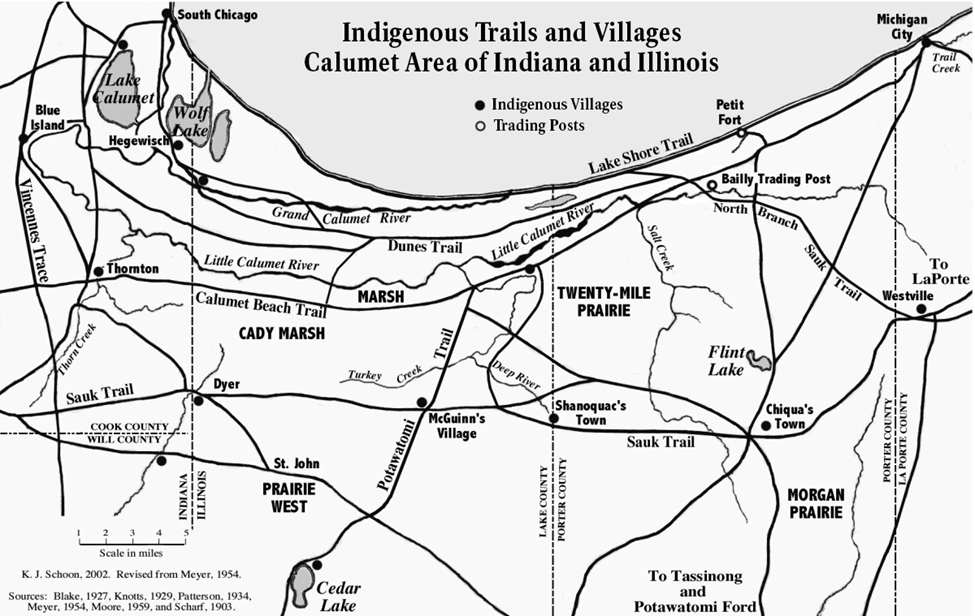
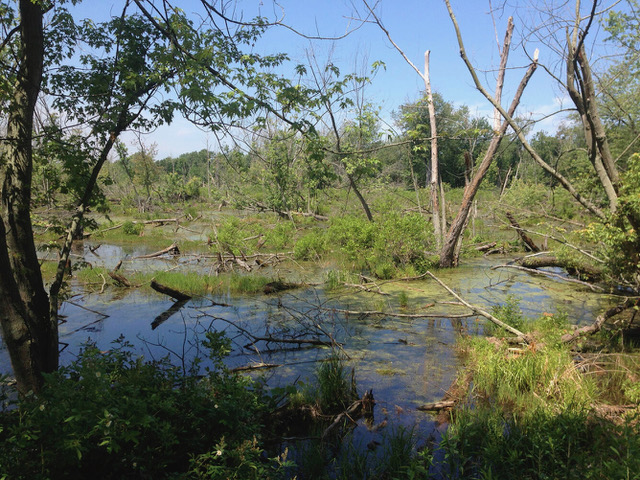
Our town is located on low ground, between two high strips of land — now called Ridge Road and Route 30. For the longest time, these lowlands in the middle were mostly a huge wetlands, fed by the Grand Calumet and Little Calumet river systems.

It was known as Cady Marsh, after a man named Jack Cady who ran an inn along the high ground that would become Ridge Road.

The area was also considered uninhabitable, and was not part of Indiana when it became a state in 1816. Yet, all that water was good for growing all kinds of plants and trees. So, it wasn’t surprising that a lot of beavers made their home there, too.

One group of people knew that the marshland was habitable when the water dried up in the summer heat — Native Americans from the Potawatomi nation who lived in small villages southeast of here.

In that dryness of late summer and early fall, they camped here as their people had done for generations. Gathering edible plants, and grasses to weave baskets used for storage and to hold foods.

Hunting beaver was a prime activity during those waning days of summer. Potawatomi tribesmen then took those beaver furs to sell at Bailly’s Trading Post, some 20 miles away. They got in return, European-made goods like guns, metal tools, cloth and beads.

Speaking of Europe, that’s where these Indiana beaver furs were sent, to make top hats for rich European gentlemen.
Bet you didn’t know our area was once part of the massive North American Fur Trade!

By the mid-1800’s, most of Indiana’s Native American tribes had been moved out of — the Land of the Indians — by use of treaties. The Potawatomi Tribe was the last to go.

Time was coming to an end for the Cady Marsh, too. But that is another story.

25th Anniversary of the Tower

𝗝𝘂𝗹𝘆 𝘁𝗵𝗶𝘀 𝘆𝗲𝗮𝗿 𝗺𝗮𝗿𝗸𝘀 𝟮𝟱 𝘆𝗲𝗮𝗿𝘀 𝘀𝗶𝗻𝗰𝗲 𝘄𝗲 𝘀𝗮𝘃𝗲𝗱 𝘁𝗵𝗲 𝗘𝗝&𝗘 𝗜𝗻𝘁𝗲𝗿𝗹𝗼𝗰𝗸𝗶𝗻𝗴 𝗧𝗼𝘄𝗲𝗿 𝗳𝗿𝗼𝗺 𝗱𝗲𝗺𝗼𝗹𝗶𝘁𝗶𝗼𝗻 𝗮𝗻𝗱 𝗺𝗼𝘃𝗲𝗱 𝗶𝘁 𝘁𝗼 𝗶𝘁𝘀 𝗰𝘂𝗿𝗿𝗲𝗻𝘁 𝗹𝗼𝗰𝗮𝘁𝗶𝗼𝗻.

The building is now on the National Register of Historic Places and the Indiana Register of Historic Sites and Structures.

We made this video in 2003 as an entry for a prize from the show “The View” but it’s a great summary of what we’re about and why we do what we do!

More about the Tower: https://ghsinc.org/the-tower/

Ruth Hutchins Inducted into Indiana Basketball Hall of Fame

🏆 𝗘𝘅𝗰𝗶𝘁𝗶𝗻𝗴 𝗡𝗲𝘄𝘀!
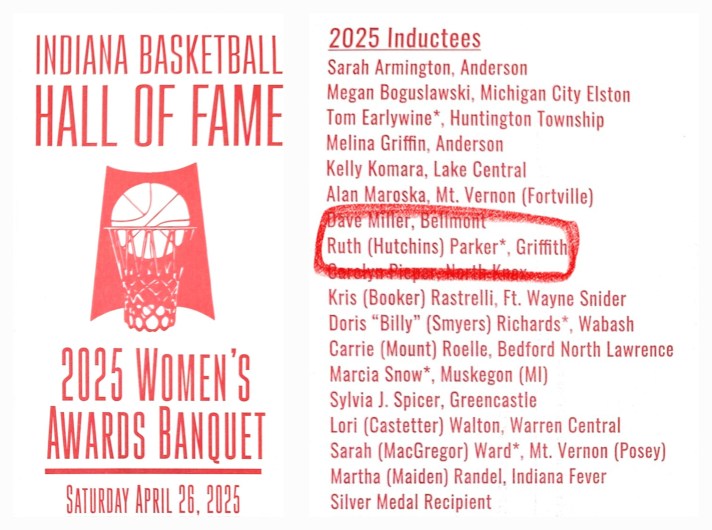
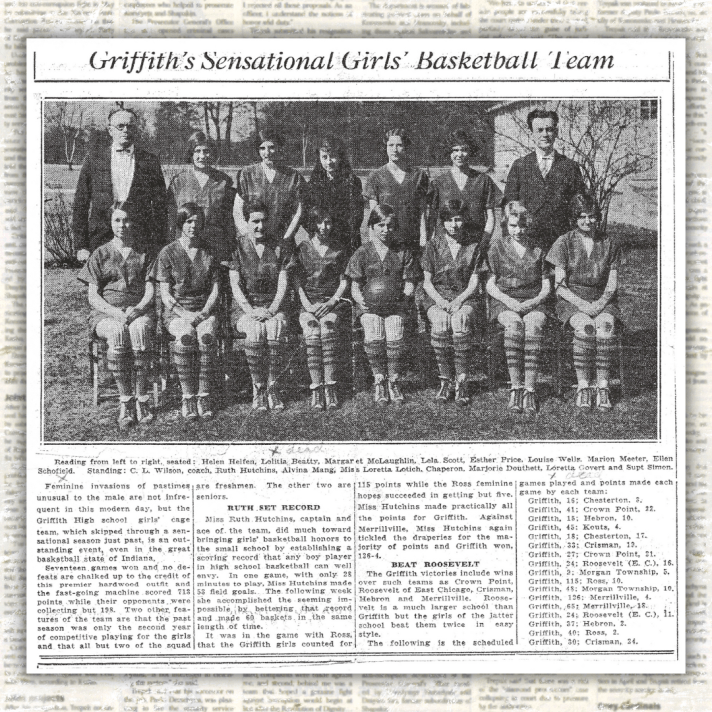
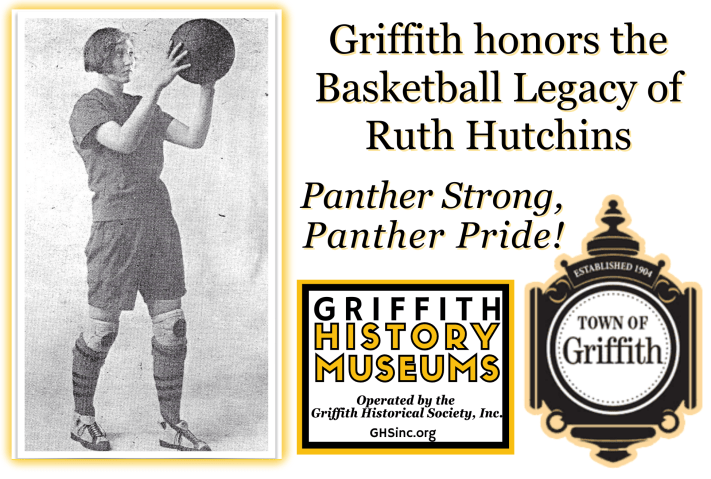
🏀 Today, our very own 𝟭𝟵𝟮𝟴 𝗕𝗮𝘀𝗸𝗲𝘁𝗯𝗮𝗹𝗹 𝗦𝘁𝗮𝗿, 𝗥𝘂𝘁𝗵 𝗛𝘂𝘁𝗰𝗵𝗶𝗻𝘀, is being inducted into the 𝗜𝗻𝗱𝗶𝗮𝗻𝗮 𝗕𝗮𝘀𝗸𝗲𝘁𝗯𝗮𝗹𝗹 𝗛𝗮𝗹𝗹 𝗼𝗳 𝗙𝗮𝗺𝗲!

From the Indiana Basketball Hall of Fame 23rd Women’s Induction Class Program:

𝗥𝗨𝗧𝗛 (𝗛𝗨𝗧𝗖𝗛𝗜𝗡𝗦) 𝗣𝗔𝗥𝗞𝗘𝗥, 𝗚𝗿𝗶𝗳𝗳𝗶𝘁𝗵 𝟭𝟵𝟮𝟴
The late Ruth (Hutchins) Parker, a 1928 graduate of Griffith, was a prolific scorer in her era, setting a record of 120 points in an 126-4 victory over Merrilville on Feb. 4, 1928. That was after she scored 106 points on a 53-of-64 shooting in a 115-10 win over Ross on Jan. 28, 1928. As a senior, the Purple Pantherettes of coach C.L. Wilson went 17-0 and outscored opponents by an average of 30.2 points, 41.9 to 11.7. These numbers were amassed when six-player rules were used for girls’ basketball – three forwards and three guards on each side of center line, no crossing the center line, two-dribbles maximum and a player had three seconds to pass or shoot the ball. After high school, Hutchins played basketball in an independent league, once scored 159 points in a game and later worked in the railroad industry. She married Ralph Parker, and they were parents to three children. The one-time scoring star passed away at 46 on March 29, 1956.