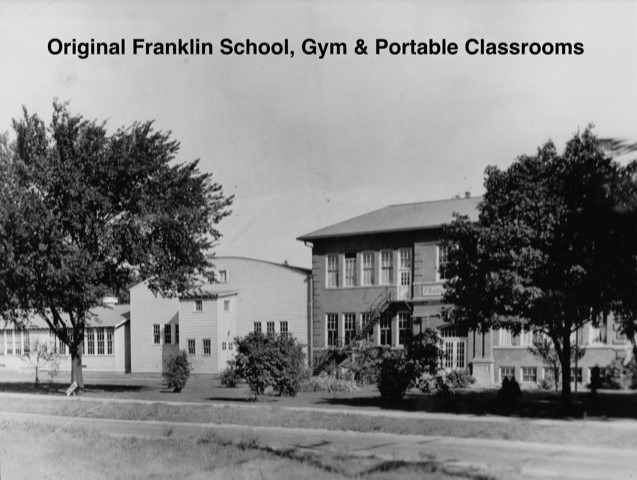
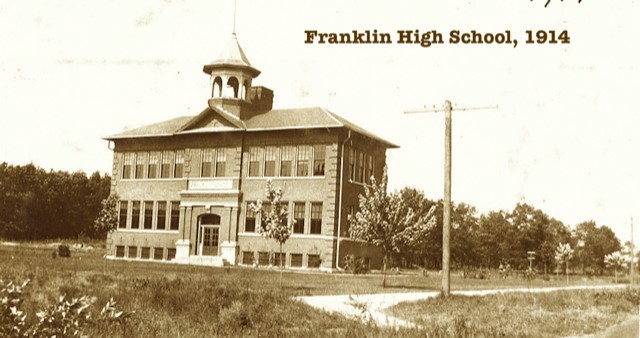
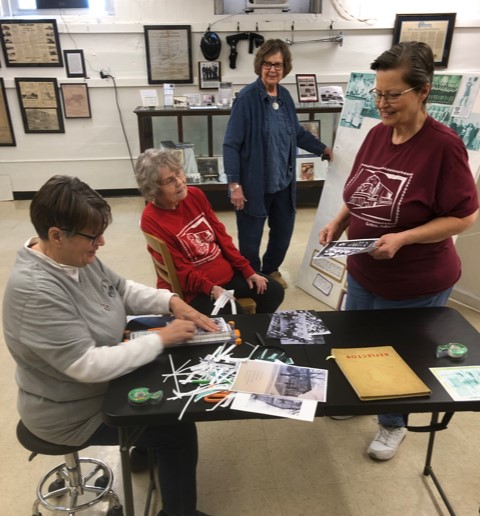
๐ธGriffith Historical Society members work on putting together a two-sided Display Board showing photos and info from Griffith High Schoolโs 100 years. โกFrom left to right are Debby Hoot, Karen Kulinski, Martha Gatlin, and Nancy Stout. ๐ซWhen the board is finished, it will be taken to the High School and put on display there! ๐ปWe’ll work on sharing digital copies here and our Facebook page as well!
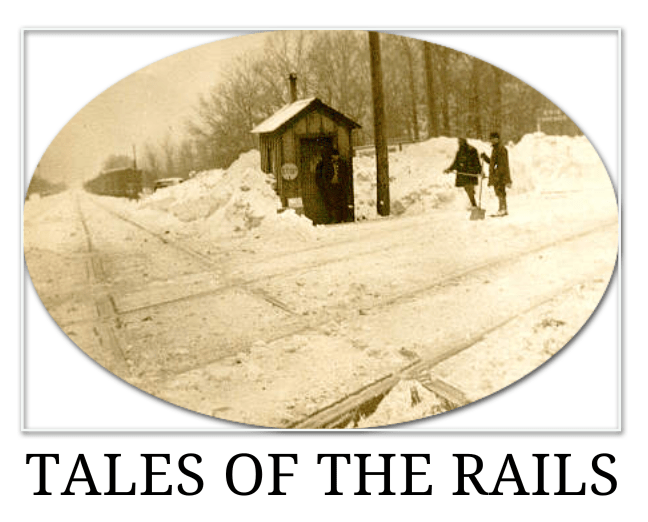
In the olden days, a train equipped with a wedge plow in front of the engine cleared snow from the tracks. Clearing snow from around railroad depots, towers, and other outbuildings, like the Griffith watchmanโs shanty shown here, was done by railroad workers with shovels, as in this photo. In truth, most of what was done in the early days of railroading was done by hand. Tracks were all laid by hand. Heavy wooden ties and steel rails were carried by two men, using special equipment, and put into place on the trackbed. Then, the men used a spike maul, similar to a sledge-hammer, to attach the rail to the ties by driving huge nails, called spikes, into the wood. Tunnels though mountains were built by hand, too, by men like John Henry, the legendary steel-driving man. A steel-driver pounded out holes in the mountain, into which blasting powder was poured and lit with a fuse. Not one of the tools any of these men used had an electrical cord at the end of them.