WHAT IS AN INTERLOCKING TOWER, ANYWAY?

There is a truth beyond doubting that railroad companies really donโ€™t like when two trains collide. Especially in bygone times when they were just getting started and money was tight.

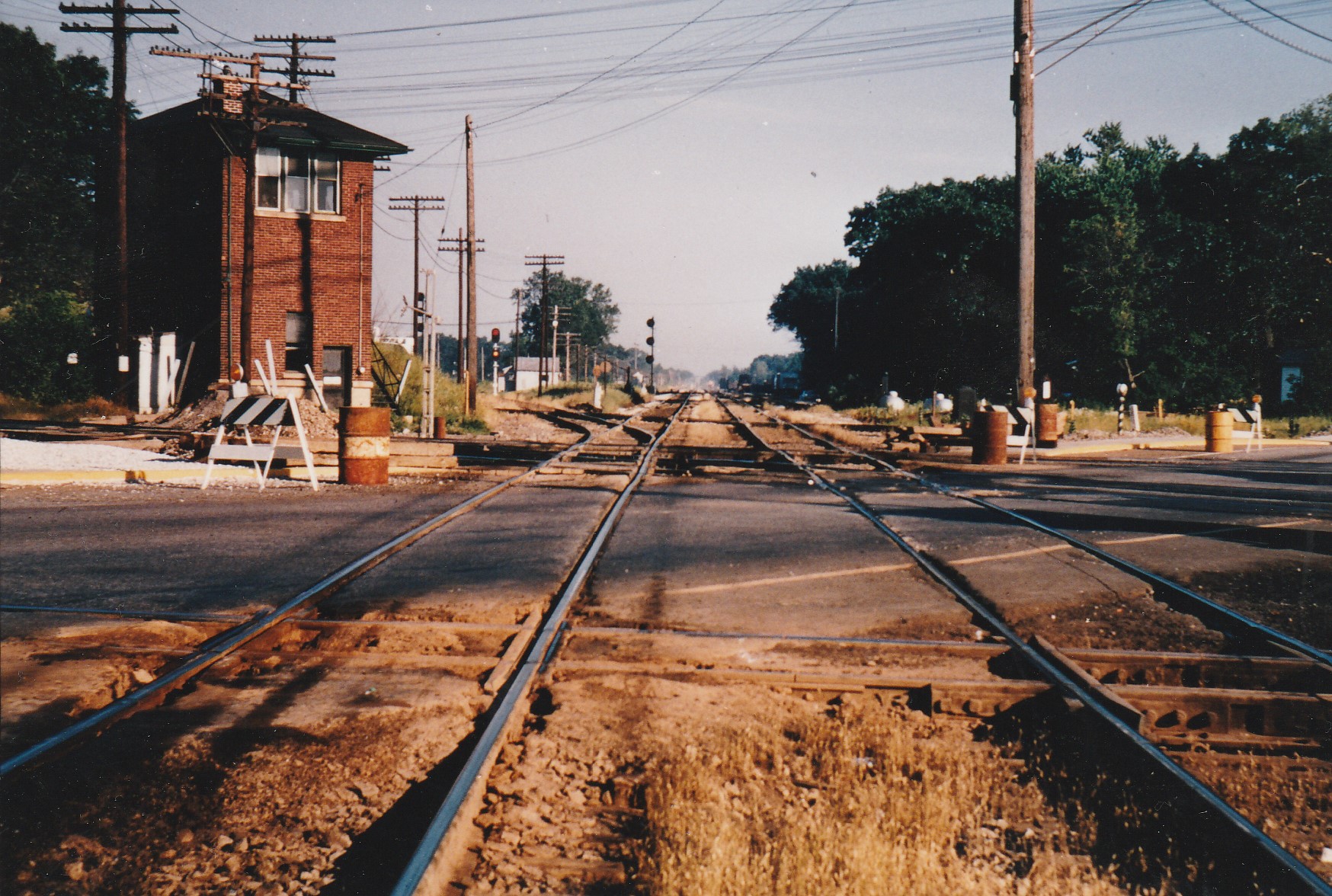
So, wherever two sets of rail lines crossed each other, known as an interlocking, a small cabin on stilts was built to control train movement. It was up high to provide a clear view of the tracks. Anย employee would manually activate the grade crossing signals and gates before automatic detection was available or installed.ย  (Check out the photos below!)

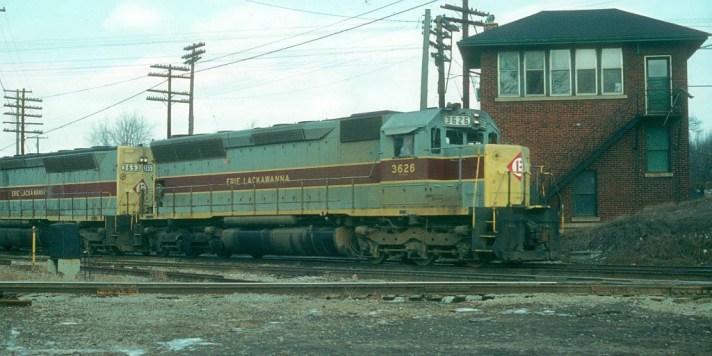
Griffithโ€™s junction had five sets of rail lines interlocking at one place, hence the need for a larger brick building.

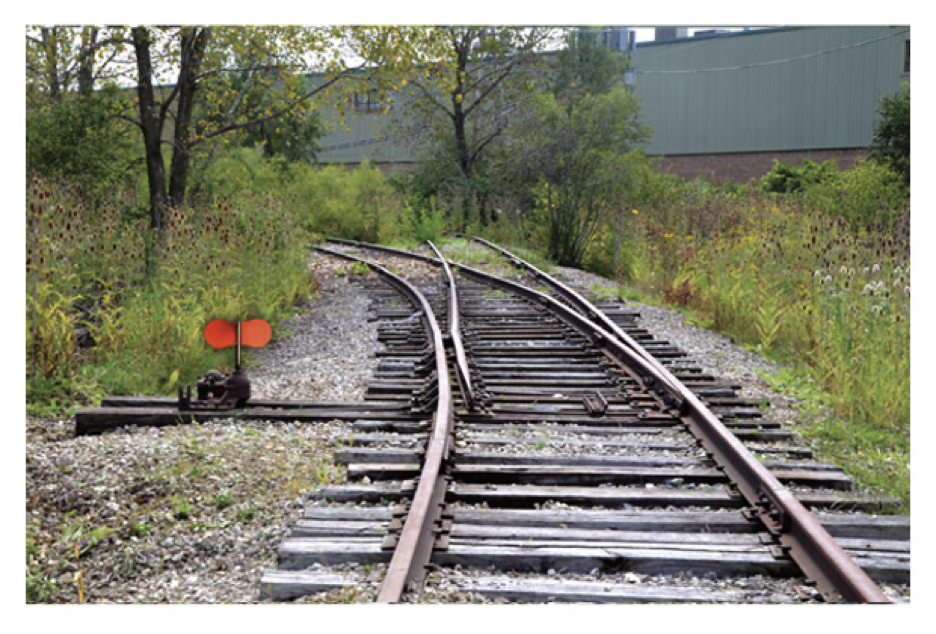
An interlocking tower was outfitted with machinery that linked the tower to sets of moveable tracks, called โ€œswitch tracks,โ€ and a man that operated it. Through the use of levers linked to these tracks, the Operator, often called the Towerman, could control their position.

By carefully coordinating these switch tracks, the Operator was able to ensure an oncoming train was safely guided onto the right track to avoid a collision.

At one time, there were 5,000 railroad towers, in North America. Today, there are fewer than 50 towers still operating. Most of the rest have been torn down due to advancements in technology.

Our tower also faced demolition 25 years ago, but then Elgin Joliet & Eastern Railway general manager, Mel Turner, asked if we wanted the building. Of course, we said, โ€œYES!โ€

We’ll continue to unfold more of this story here on our site, culminating in a Celebrate Our Tower Day, at the Griffith Historical Park, August 10th. ย 

So, be sure to stay tuned, to use a well-known phrase of days gone by.

(And click the DONATE button now to help support upkeep of the Tower and rail-cam!!)
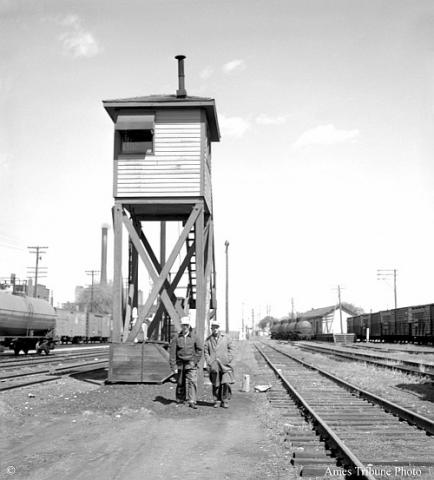
Left: Ames, IA Gate Tower, April 4, 1958ย , which looks similar to a manually operated switch tower ; Web source: https://ameshistory.org/tribunearchives/railroad-crossing-watchmen
Right Top: Switch rails; Right bottom:
Griffith’s Interlocking Tower,
July 6, 1974, Photo taken by John Strombeck
Web source: https://industrialscenery.blogspot.com/2017/09/griffith-in-ej-and-cngtw-junction-tower.html
๐Ž๐ง๐œ๐ž ๐”๐ฉ๐จ๐ง ๐š ๐“๐จ๐ฐ๐ž๐ซ – ๐๐š๐ซ๐ญ ๐Ÿ

๐™Š๐™ช๐™ง ๐™Ž๐™ค๐™˜๐™ž๐™š๐™ฉ๐™ฎ ๐™Ž๐™–๐™œ๐™– – ๐™Ž๐™–๐™ซ๐™ž๐™ฃ๐™œ ๐™ฉ๐™๐™š ๐™๐™ค๐™ฌ๐™š๐™ง
๐˜ฃ๐˜บ ๐˜’๐˜ข๐˜ณ๐˜ฆ๐˜ฏ ๐˜’๐˜ถ๐˜ญ๐˜ช๐˜ฏ๐˜ด๐˜ฌ๐˜ช

The tale of the Tower, and indeed a great deal of Griffith Historical Societyโ€™s history, reads like a storybook, hence the title.

Do you know what ๐™จ๐™š๐™ง๐™š๐™ฃ๐™™๐™ž๐™ฅ๐™ž๐™ฉ๐™ฎ is? Beyond an amazing Griffith ice cream parlor? I use the world a lot when talking about how we developed and grew.

Serendipity in the dictionary is described as: ๐—ฎ ๐—ฐ๐—ต๐—ฎ๐—ป๐—ฐ๐—ฒ ๐—ผ๐—ฐ๐—ฐ๐˜‚๐—ฟ๐—ฟ๐—ฒ๐—ป๐—ฐ๐—ฒ ๐˜๐—ต๐—ฎ๐˜ ๐—ฑ๐—ฒ๐˜ƒ๐—ฒ๐—น๐—ผ๐—ฝ๐˜€ ๐—ถ๐—ป ๐—ฎ ๐—ต๐—ฎ๐—ฝ๐—ฝ๐˜† ๐—ผ๐—ฟ ๐—ฏ๐—ฒ๐—ป๐—ฒ๐—ณ๐—ถ๐—ฐ๐—ถ๐—ฎ๐—น ๐˜„๐—ฎ๐˜†.

Serendipity in real life:

  • The chance meeting of four people who went on to spearhead the saving of the last Griffithโ€™s depot from demolition. (See our first โ€œSociety Sagaโ€ in our spring newsletter or on our website for that story.)
  • The time the land we hoped to expand on, that was $20,000 when we first asked to purchase it, dropping to $8,000 when we absolutely, positively, 100% had to purchase it.
  • And we must mention how I was serendipitously connected to the General Superintendent of the Elgin Joliet & Eastern railroad when I called asking for key chains and paper engineer hat to give away to kids.

That man, Mel Turner, ended up giving us the Tower some five years later.

You know how you immediately click with someone? That was me and Mr T (though I never called him that to his face).

We talked for nearly an hour: about our getting the land and our future plans for it; about his railroadโ€™s plans for tearing down our Tower, and could we have the equipment in the upper room, which was a yes.

From time to time, I would write him, filling him in on everything we were doing, and asking about the Tower. I found those old letters recently, and it was as though I was writing to a friend. I can only help wondering what he thought of my rambles.
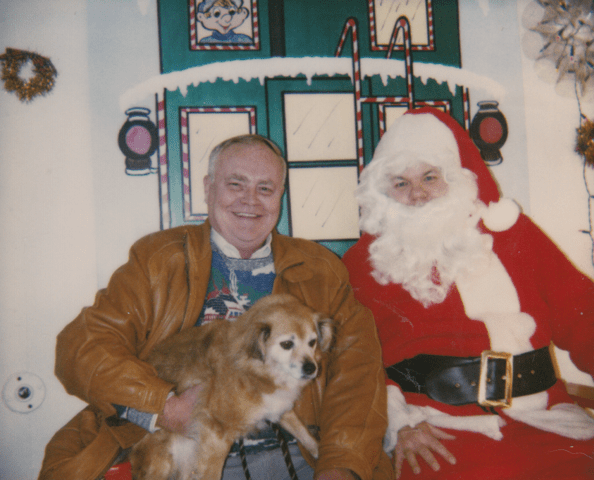
In mid-December, 1999, Mr. Turner came out to the Park during our Santa event, with his beloved dog, Buddy. Our Tower, he told us, was being closed down at the end of the year. And, he said, he was giving us the Tower!

The whole building!! And $30,000, to help with the move!!!

And we had until July 30th to get the Tower off their land.

Tale to be continuedโ€ฆ

Mr. Turner and Santa in the Caboose

Mr. Turner and Santa in the Caboose

A Tale of the Town

Join us as we go back in time to tell the stories of Griffith, from before our town was even though of and onward. Weโ€™ll begin in the early 1800โ€™s, when the area we live now was completely waterlogged and the beaver was the most prominent citizen around.

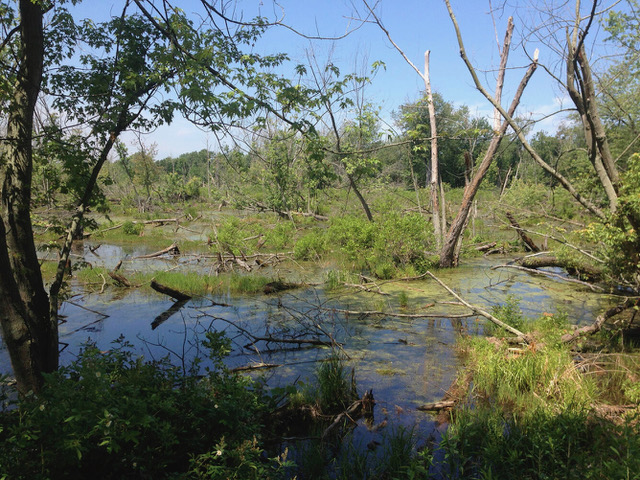
Our town is located on low ground, between two high strips of land โ€” now called Ridge Road and Route 30. For the longest time, these lowlands in the middle were mostly a huge wetlands, fed by the Grand Calumet and Little Calumet river systems.

It was known as Cady Marsh, after a man named Jack Cady who ran an inn along the high ground that would become Ridge Road.

The area was also considered uninhabitable, and was not part of Indiana when it became a state in 1816. Yet, all that water was good for growing all kinds of plants and trees. So, it wasnโ€™t surprising that a lot of beavers made their home there, too.

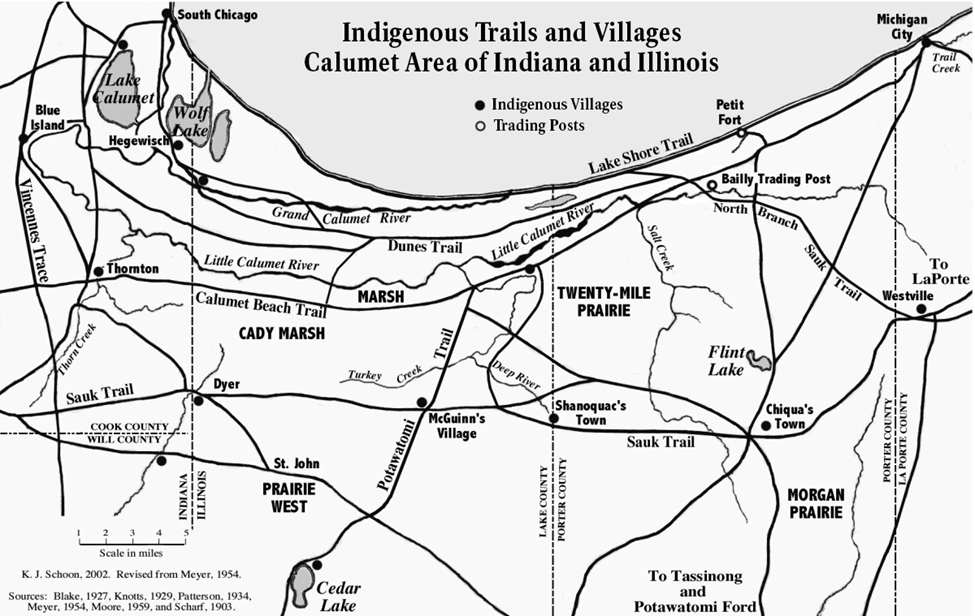
One group of people knew that the marshland was habitable when the water dried up in the summer heat โ€” Native Americans from the Potawatomi nation who lived in small villages southeast of here.

In that dryness of late summer and early fall, they camped here as their people had done for generations. Gathering edible plants, and grasses to weave baskets used for storage and to hold foods.

Hunting beaver was a prime activity during those waning days of summer. Potawatomi tribesmen then took those beaver furs to sell at Baillyโ€™s Trading Post, some 20 miles away. They got in return, European-made goods like guns, metal tools, cloth and beads.

Speaking of Europe, thatโ€™s where these Indiana beaver furs were sent, to make top hats for rich European gentlemen.
Bet you didnโ€™t know our area was once part of the massive North American Fur Trade!

By the mid-1800โ€™s, most of Indianaโ€™s Native American tribes had been moved out of โ€” the Land of the Indians โ€” by use of treaties. The Potawatomi Tribe was the last to go.

Time was coming to an end for the Cady Marsh, too. But that is another story.

Wadsworth Information Community Callout

๐—–๐—ผ๐—บ๐—บ๐˜‚๐—ป๐—ถ๐˜๐˜† ๐—–๐—ฎ๐—น๐—น๐—ผ๐˜‚๐˜!
We are looking for YOUR help!!

Mrs. Sue Guy and the Griffith Historical Society are embarking upon a fun project about the history of Wadsworth Elementary School and Mrs. Elsie Wadsworth herself, but we need information from YOU!

If you have photos, memorabilia, stories, information about the school or the teacher, we are asking you to share with us!

You can comment right here on this post, email us at [email protected], or organize a time to meet with us. If you have digital copies of photos, you can email them or share them here. If you have physical items you would like to share, we can copy anything into our computer and return the original to the owner.

Thank you in advance for your help and support, Griffith!!