𝗚𝗥𝗜𝗙𝗙𝗜𝗧𝗛 𝗛𝗜𝗚𝗛 𝗧𝗨𝗥𝗡𝗦 𝟭𝟬𝟬! #2

🖤🏫💛 𝗚𝗥𝗜𝗙𝗙𝗜𝗧𝗛 𝗛𝗜𝗚𝗛 𝗧𝗨𝗥𝗡𝗦 𝟭𝟬𝟬! 💛🏫🖤
𝘼𝙣𝙙 𝙩𝙝𝙚 𝙂𝙧𝙞𝙛𝙛𝙞𝙩𝙝 𝙃𝙞𝙨𝙩𝙤𝙧𝙞𝙘𝙖𝙡 𝙎𝙤𝙘𝙞𝙚𝙩𝙮 𝙞𝙨 𝙘𝙚𝙡𝙚𝙗𝙧𝙖𝙩𝙞𝙣𝙜!!
𝘍𝘰𝘳 𝘵𝘩𝘦 𝘯𝘦𝘹𝘵 𝘧𝘦𝘸 𝘮𝘰𝘯𝘵𝘩𝘴, 𝘸𝘦 𝘸𝘪𝘭𝘭 𝘣𝘦 𝘱𝘰𝘴𝘵𝘪𝘯𝘨 𝘧𝘶𝘯 𝘢𝘯𝘥 𝘪𝘯𝘵𝘦𝘳𝘦𝘴𝘵𝘪𝘯𝘨 𝘴𝘵𝘰𝘳𝘪𝘦𝘴 𝘰𝘧 𝘩𝘪𝘨𝘩 𝘴𝘤𝘩𝘰𝘰𝘭 𝘩𝘢𝘱𝘱𝘦𝘯𝘪𝘯𝘨𝘴 𝘥𝘰𝘸𝘯 𝘵𝘩𝘳𝘰𝘶𝘨𝘩 𝘵𝘩𝘦 𝘺𝘦𝘢𝘳𝘴.
𝐄𝐧𝐣𝐨𝐲!

𝙵𝚊𝚜𝚝 𝚏𝚘𝚛𝚠𝚊𝚛𝚍 𝚝𝚘 𝐭𝐡𝐞 𝟏𝟗𝟑𝟎𝐬. 𝙶𝚛𝚒𝚏𝚏𝚒𝚝𝚑 𝚑𝚊𝚍 𝚐𝚛𝚘𝚠𝚗. 𝙵𝚛𝚊𝚗𝚔𝚕𝚒𝚗 𝚑𝚊𝚍, 𝚝𝚘𝚘.

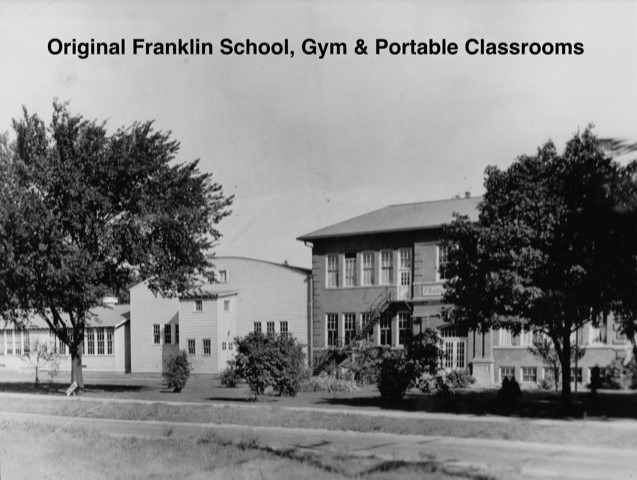
𝚃𝚠𝚘 𝚊𝚍𝚍𝚒𝚝𝚒𝚘𝚗𝚜 𝚑𝚊𝚍 𝚋𝚎𝚎𝚗 𝚊𝚍𝚍𝚎𝚍, 𝟏𝟐 𝐦𝐨𝐫𝐞 𝐫𝐨𝐨𝐦𝐬, 𝚙𝚕𝚞𝚜 𝟺 𝚙𝚘𝚛𝚝𝚊𝚋𝚕𝚎 𝚌𝚕𝚊𝚜𝚜𝚛𝚘𝚘𝚖𝚜 𝚊𝚗𝚍 𝚊 𝚐𝚢𝚖𝚗𝚊𝚜𝚒𝚞𝚖. 𝙰𝚗𝚍, 𝐢𝐧𝐝𝐨𝐨𝐫 𝐩𝐥𝐮𝐦𝐛𝐢𝐧𝐠 𝚑𝚊𝚍 𝚋𝚎𝚎𝚗 𝚒𝚗𝚜𝚝𝚊𝚕𝚕𝚎𝚍, 𝚝𝚘𝚘!

𝙽𝚘𝚝 𝚕𝚘𝚗𝚐 𝚊𝚏𝚝𝚎𝚛, 𝐇𝐢𝐠𝐡𝐥𝐚𝐧𝐝 𝐬𝐭𝐮𝐝𝐞𝐧𝐭𝐬 𝚜𝚝𝚊𝚛𝚝𝚎𝚍 𝚊𝚝𝚝𝚎𝚗𝚍𝚒𝚗𝚐 𝙵𝚛𝚊𝚗𝚔𝚕𝚒𝚗 𝙷𝚒𝚐𝚑 𝚂𝚌𝚑𝚘𝚘𝚕.

𝙰𝚕𝚕 𝚠𝚊𝚜 𝚠𝚎𝚕𝚕 𝚏𝚘𝚛 𝟸𝟶 𝚢𝚎𝚊𝚛𝚜, 𝚞𝚗𝚝𝚒𝚕 𝙶𝚛𝚒𝚏𝚏𝚒𝚝𝚑’𝚜 𝐩𝐨𝐩𝐮𝐥𝐚𝐭𝐢𝐨𝐧 𝐛𝐥𝐨𝐬𝐬𝐨𝐦𝐞𝐝 𝚊𝚏𝚝𝚎𝚛 𝚆𝚘𝚛𝚕𝚍 𝚆𝚊𝚛 𝙸𝙸.

𝐅𝐫𝐚𝐧𝐤𝐥𝐢𝐧 𝐰𝐚𝐬 𝐧𝐨𝐰 𝐛𝐮𝐫𝐬𝐭𝐢𝐧𝐠 𝐚𝐭 𝐭𝐡𝐞 𝐬𝐞𝐚𝐦𝐬!
𝗚𝗥𝗜𝗙𝗙𝗜𝗧𝗛 𝗛𝗜𝗚𝗛 𝗧𝗨𝗥𝗡𝗦 𝟭𝟬𝟬!

🖤🏫💛 𝗚𝗥𝗜𝗙𝗙𝗜𝗧𝗛 𝗛𝗜𝗚𝗛 𝗧𝗨𝗥𝗡𝗦 𝟭𝟬𝟬! 💛🏫🖤
𝘼𝙣𝙙 𝙩𝙝𝙚 𝙂𝙧𝙞𝙛𝙛𝙞𝙩𝙝 𝙃𝙞𝙨𝙩𝙤𝙧𝙞𝙘𝙖𝙡 𝙎𝙤𝙘𝙞𝙚𝙩𝙮 𝙞𝙨 𝙘𝙚𝙡𝙚𝙗𝙧𝙖𝙩𝙞𝙣𝙜!!
𝘍𝘰𝘳 𝘵𝘩𝘦 𝘯𝘦𝘹𝘵 𝘧𝘦𝘸 𝘮𝘰𝘯𝘵𝘩𝘴, 𝘸𝘦 𝘸𝘪𝘭𝘭 𝘣𝘦 𝘱𝘰𝘴𝘵𝘪𝘯𝘨 𝘧𝘶𝘯 𝘢𝘯𝘥 𝘪𝘯𝘵𝘦𝘳𝘦𝘴𝘵𝘪𝘯𝘨 𝘴𝘵𝘰𝘳𝘪𝘦𝘴 𝘰𝘧 𝘩𝘪𝘨𝘩 𝘴𝘤𝘩𝘰𝘰𝘭 𝘩𝘢𝘱𝘱𝘦𝘯𝘪𝘯𝘨𝘴 𝘥𝘰𝘸𝘯 𝘵𝘩𝘳𝘰𝘶𝘨𝘩 𝘵𝘩𝘦 𝘺𝘦𝘢𝘳𝘴.
𝐄𝐧𝐣𝐨𝐲!

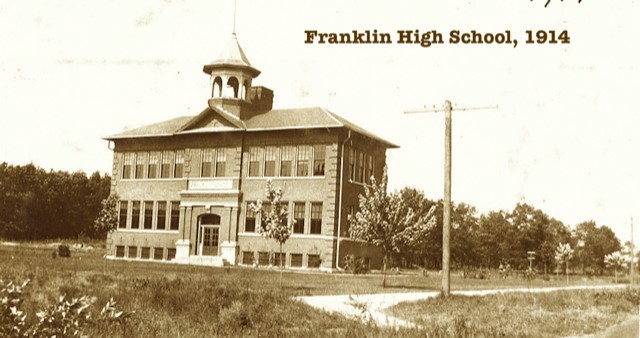
𝙸𝚝 𝚜𝚊𝚝 𝚒𝚗 𝚝𝚑𝚎 𝚖𝚒𝚍𝚍𝚕𝚎 𝚘𝚏 𝚊 𝚏𝚒𝚎𝚕𝚍 𝚘𝚏 𝚐𝚛𝚊𝚜𝚜, 𝚝𝚑𝚎 𝚒𝚖𝚙𝚛𝚎𝚜𝚜𝚒𝚟𝚎 𝐅𝐫𝐚𝐧𝐤𝐥𝐢𝐧 𝐒𝐜𝐡𝐨𝐨𝐥 𝚍𝚒𝚍. 𝙱𝚞𝚒𝚕𝚝 𝚒𝚗 𝟷𝟿𝟷𝟷, 𝚝𝚑𝚎 𝚜𝚖𝚊𝚕𝚕 𝚝𝚘𝚠𝚗’𝚜 𝚏𝚒𝚛𝚜𝚝 𝚋𝚒𝚐 𝚙𝚛𝚘𝚓𝚎𝚌𝚝, 𝐜𝐨𝐬𝐭𝐢𝐧𝐠 $𝟗,𝟎𝟎𝟎 — $𝟸𝟼𝟼,𝟶𝟶 𝚒𝚗 𝚝𝚘𝚍𝚊𝚢’𝚜 𝚖𝚘𝚗𝚎𝚢. 𝙱𝚛𝚒𝚌𝚔 𝚜𝚝𝚛𝚞𝚌𝚝𝚞𝚛𝚎, 𝚏𝚘𝚞𝚛 𝚛𝚘𝚘𝚖𝚜, 𝚝𝚠𝚘 𝚜𝚝𝚘𝚛𝚒𝚎𝚜. 𝙱𝚒𝚐 𝚎𝚗𝚘𝚞𝚐𝚑 𝚏𝚘𝚛 𝚊𝚕𝚕 𝙶𝚛𝚒𝚏𝚏𝚒𝚝𝚑 𝚜𝚝𝚞𝚍𝚎𝚗𝚝𝚜, 𝐠𝐫𝐚𝐝𝐞𝐬 𝟏 𝐭𝐨 𝟖.
𝐈𝐭 𝐞𝐯𝐞𝐧 𝐡𝐚𝐝 𝐚 𝐛𝐞𝐥𝐥 𝐭𝐨𝐰𝐞𝐫!

𝚃𝚑𝚎 𝚗𝚎𝚊𝚛𝚎𝚜𝚝 𝐡𝐢𝐠𝐡 𝐬𝐜𝐡𝐨𝐨𝐥 𝚠𝚊𝚜 𝚒𝚗 𝐇𝐚𝐦𝐦𝐨𝐧𝐝, 𝚛𝚎𝚚𝚞𝚒𝚛𝚒𝚗𝚐 𝚜𝚝𝚞𝚍𝚎𝚗𝚝𝚜 𝚝𝚘 𝚝𝚊𝚔𝚎 𝚝𝚑𝚎 𝚝𝚛𝚊𝚒𝚗 𝚎𝚊𝚌𝚑 𝚍𝚊𝚢.

𝚃𝚑𝚎 𝚙𝚛𝚒𝚍𝚎 𝚘𝚏 𝙶𝚛𝚒𝚏𝚏𝚒𝚝𝚑, 𝚝𝚑𝚎 𝚜𝚌𝚑𝚘𝚘𝚕 𝚠𝚊𝚜 𝚊𝚕𝚜𝚘 𝚊 𝐜𝐨𝐦𝐦𝐮𝐧𝐢𝐭𝐲 𝐜𝐞𝐧𝐭𝐞𝐫, 𝚝𝚑𝚎 𝙿𝚃𝙰 𝚑𝚘𝚕𝚍𝚒𝚗𝚐 𝚌𝚊𝚛𝚍 𝚙𝚊𝚛𝚝𝚒𝚎𝚜, 𝚍𝚊𝚗𝚌𝚎𝚜, 𝚊𝚗𝚍 𝚘𝚝𝚑𝚎𝚛 𝚎𝚟𝚎𝚗𝚝𝚜.

Tales of the Rails

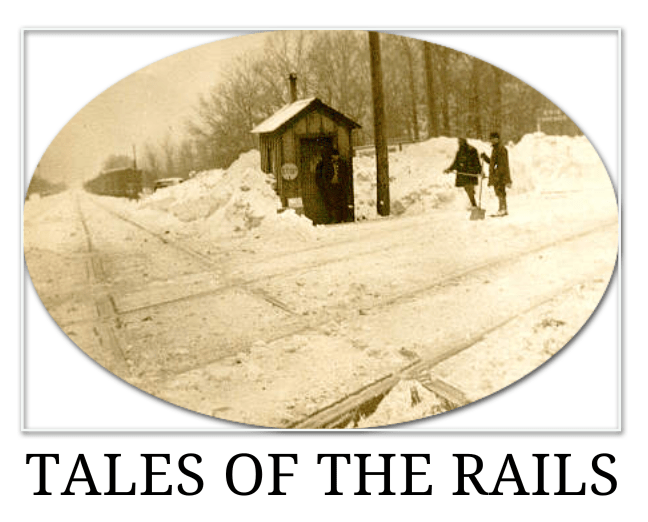
In the olden days, a train equipped with a wedge plow in front of the engine cleared snow from the tracks. Clearing snow from around railroad depots, towers, and other outbuildings, like the Griffith watchman’s shanty shown here, was done by railroad workers with shovels, as in this photo.
In truth, most of what was done in the early days of railroading was done by hand. Tracks were all laid by hand. Heavy wooden ties and steel rails were carried by two men, using special equipment, and put into place on the trackbed. Then, the men used a spike maul, similar to a sledge-hammer, to attach the rail to the ties by driving huge nails, called spikes, into the wood.
Tunnels though mountains were built by hand, too, by men like John Henry, the legendary steel-driving man. A steel-driver pounded out holes in the mountain, into which blasting powder was poured and lit with a fuse. Not one of the tools any of these men used had an electrical cord at the end of them.

History Notes

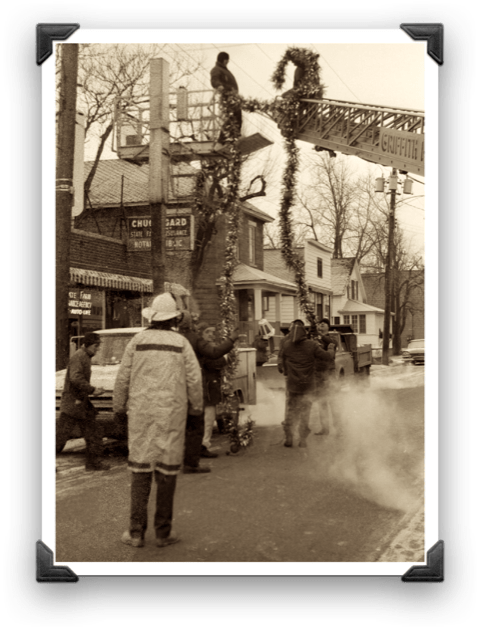
In days gone by, putting up the town’s Christmas decorations right after Thanksgiving was a yearly event in Griffith.
Members of the Community Spirit organization and the Griffith Fire Department are pictured here in the 100 block of South Broad Street. Lighted garlands were strung across Broad for several blocks.
It gave the town an especially festive holiday look, reminiscent, some folks said, of Bedford Falls, the town in the movie, “It’s a Wonderful Life.”